When most people think about Bali, they imagine sandy beaches, warm sunsets, and luxury resorts. But beyond that beauty lies something deeper Balinese culture. It is a rich blend of tradition, spirituality, and community life.
This culture doesn’t just exist in the background; it lives in every moment from temple offerings at sunrise to dance performances under the moonlight.
Let’s explore the essence of Balinese culture and discover why it continues to inspire travelers and researchers around the world.
Introduction: A Glimpse into Balinese Culture
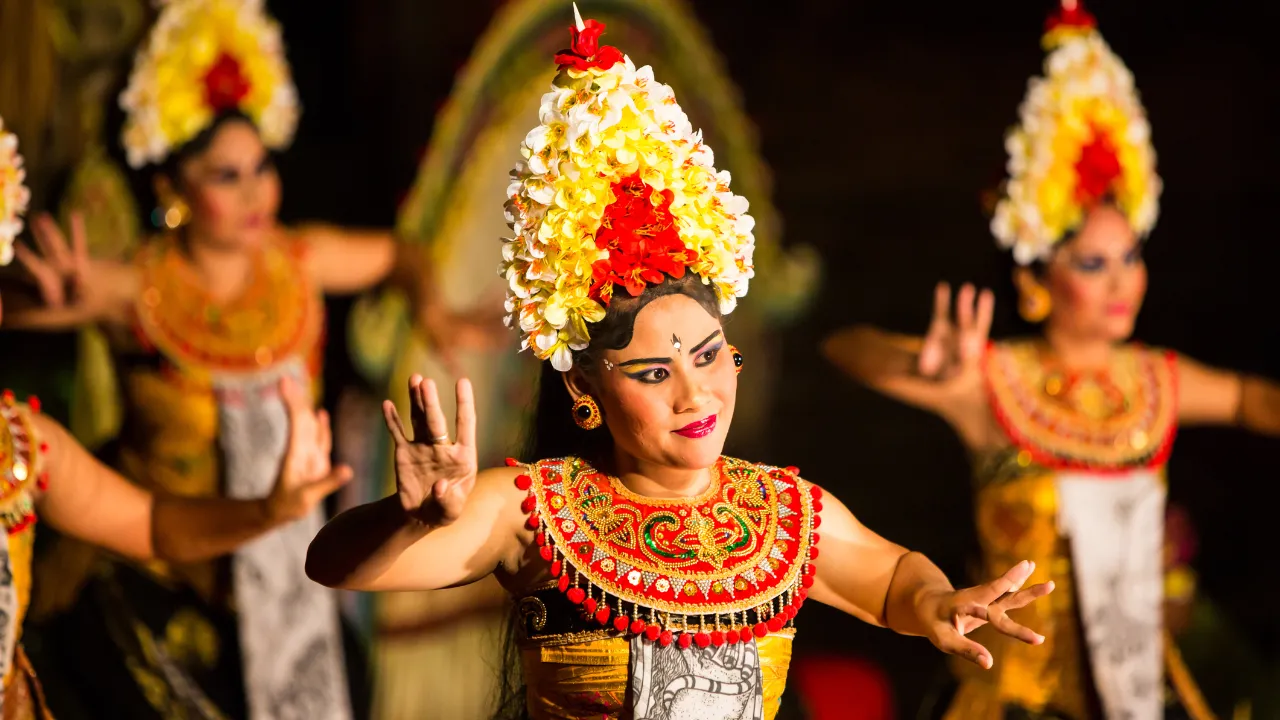
Balinese culture is one of the most vibrant in the world. It blends spirituality with daily life, giving meaning to even the simplest actions from how homes are built to how people greet one another.
Balinese life follows three main pillars: harmony with God, nature, and people. This philosophy, called Tri Hita Karana, guides everything they do. It keeps the island’s soul balanced and welcoming.
Spiritual Life in Balinese Culture
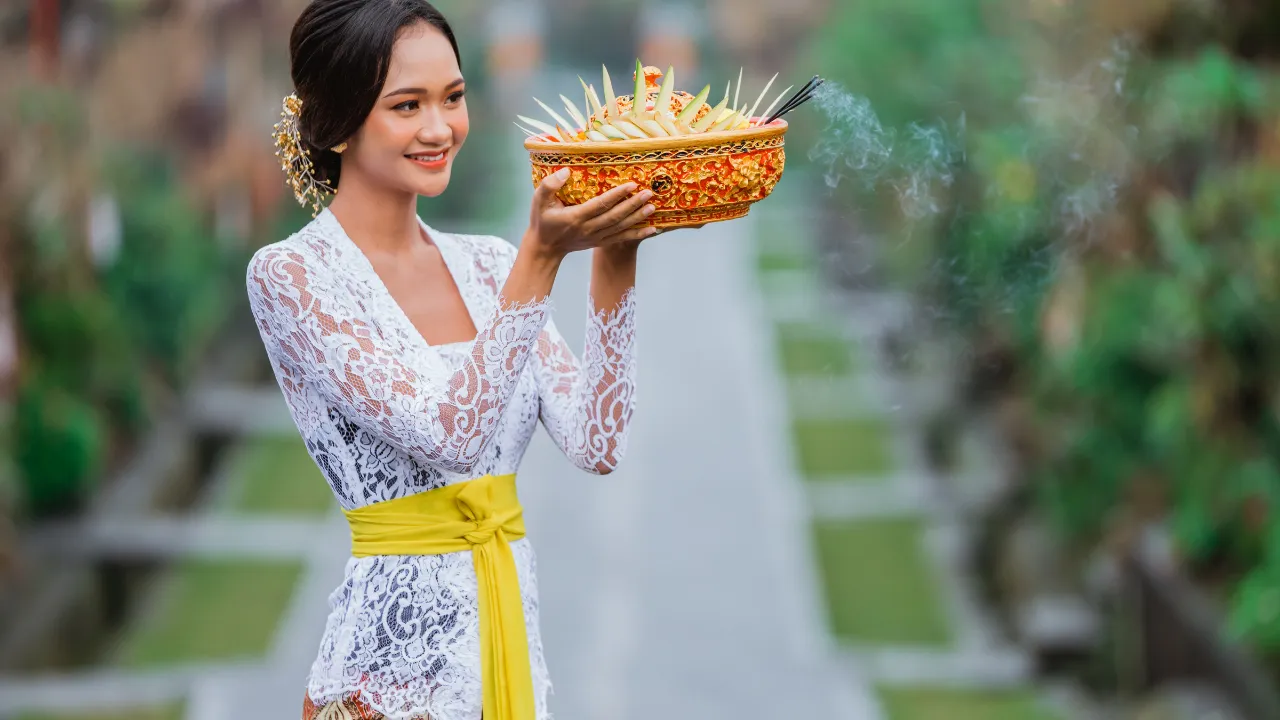
Balinese Hinduism shapes the island’s spiritual rhythm and daily routine. It influences how people build homes, prepare meals, and give thanks.
Temples and Worship
Every village in Bali has at least three temples for Brahma (the creator), Vishnu (the protector), and Shiva (the destroyer). People gather in these courtyards for ceremonies and prayers that strengthen community ties.
Daily Offerings
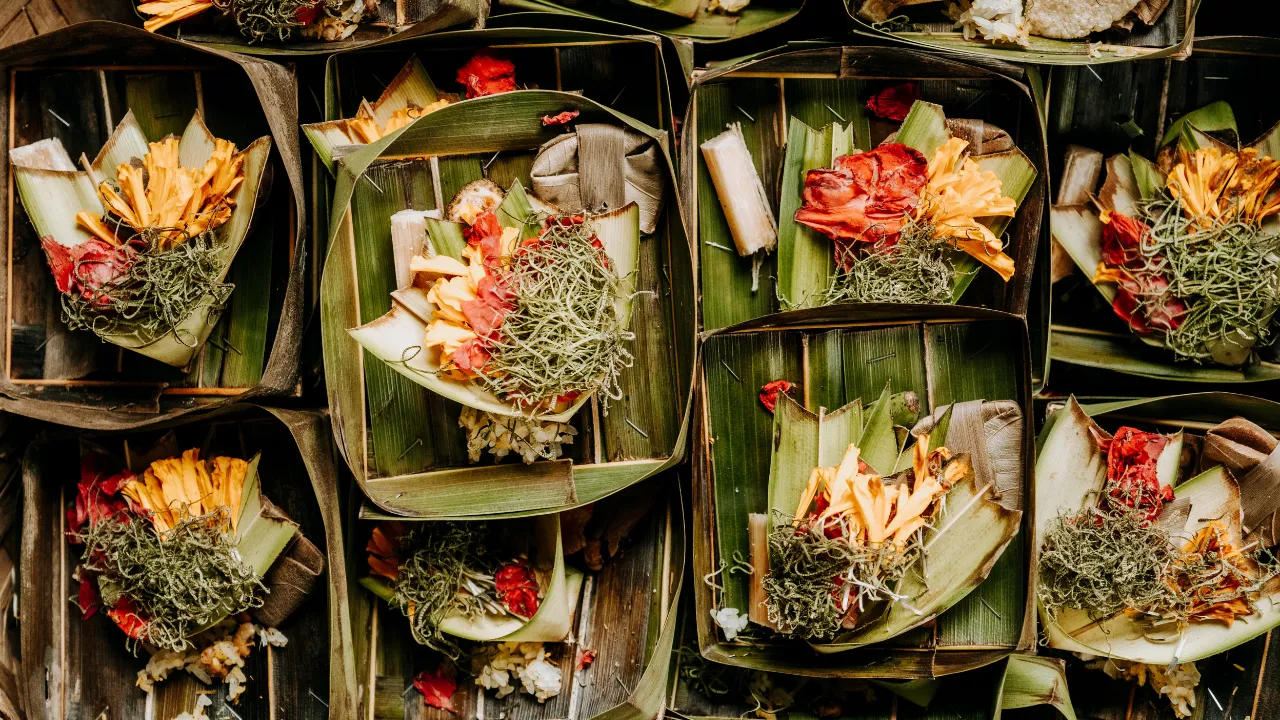
One of the most beautiful traditions is canang sari, small palm-leaf baskets filled with flowers and incense. You’ll see them everywhere. They symbolize gratitude, balance, and connection between humans and the divine.
Tri Hita Karana
This philosophy maintains balance between:
Parhyangan: Connection with God
Pawongan: Relationship among people
Palemahan: Harmony with nature
Traditional Balinese Art and Expression
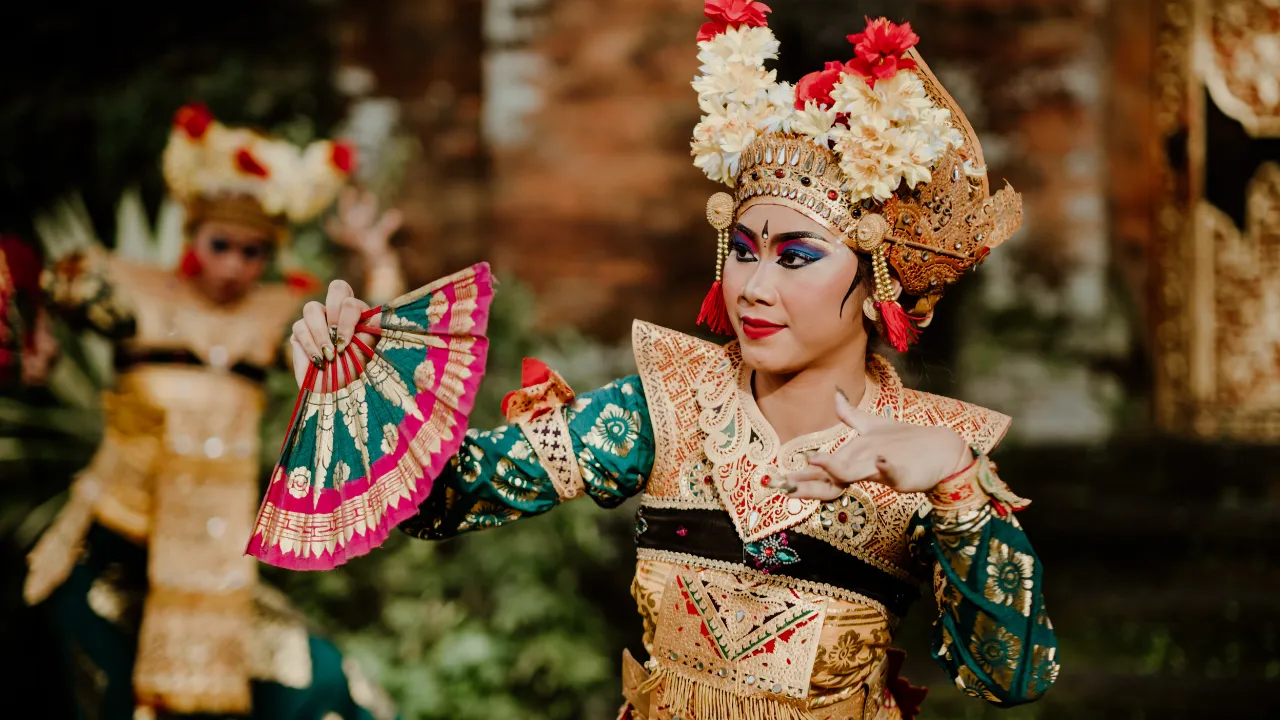
Balinese people express their faith and identity through art. It’s not just a pastime it’s part of their soul. From dance to sculpture, creativity flows in daily life.
Dance and Music
Balinese dances are more than performances; they are spiritual storytelling.
Some iconic examples include:
Barong Dance – The eternal battle between good and evil
Legong Dance – Graceful movements performed by young girls
Kecak Dance – Rhythmic chanting inspired by the Ramayana
Accompanied by Gamelan music, these performances feel hypnotic and emotional.
In addition, the dancers’ colorful costumes and precise gestures reveal centuries of tradition.
Handicrafts and Textiles
Artisans in villages like Celuk and Mas continue ancient crafts such as:
Wood carvings and masks
Silver jewelry
Handwoven Endek fabrics
Each piece reflects devotion and cultural identity. Moreover, these crafts support local livelihoods and preserve traditional skills.
Balinese Architecture and Community Life
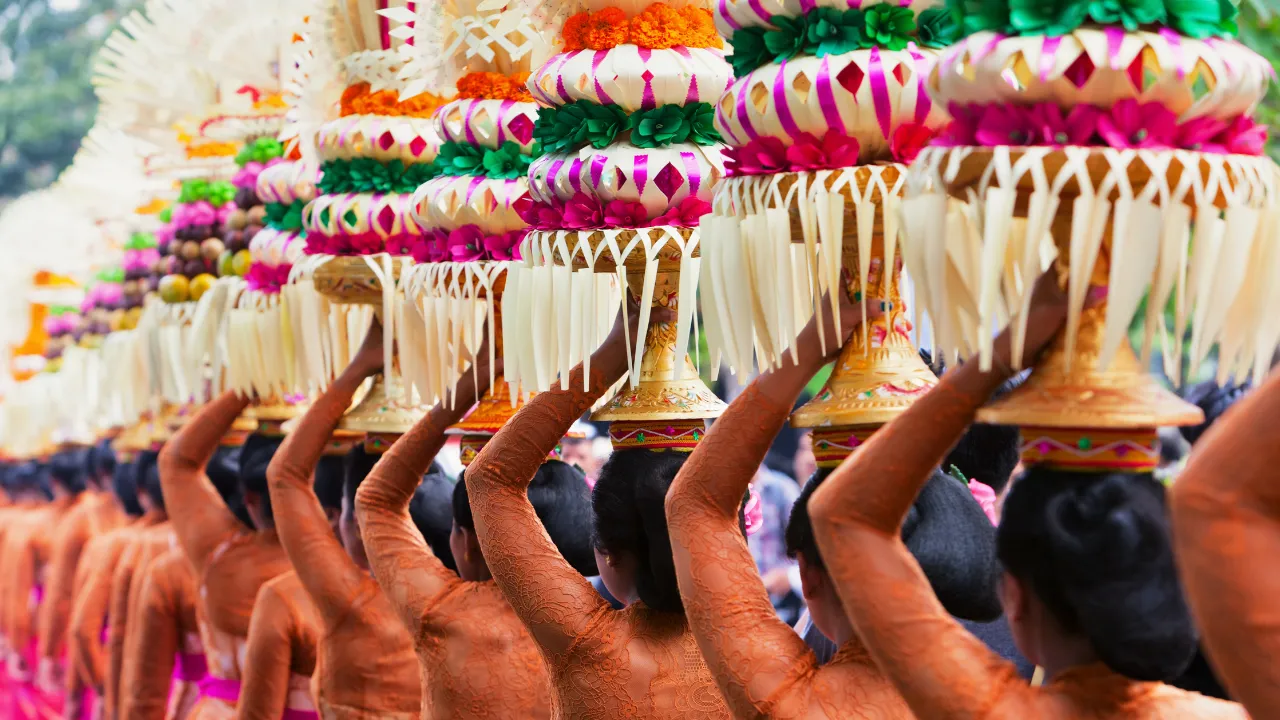
Walking through a Balinese village feels like entering a different world. Every corner reflects spiritual beliefs and communal harmony.
Balinese Homes
Houses in Bali are built inside family compounds, each with its own temple and living areas. The layout follows spiritual rules every structure faces a sacred direction to honor the divine.
The Banjar System
The banjar is the heartbeat of Balinese society. It organizes ceremonies, community events, and collective decisions. Everyone participates, showing the value of unity and cooperation.
Because of this system, Balinese villages remain strong and connected even in modern times.
Festivals and Sacred Ceremonies
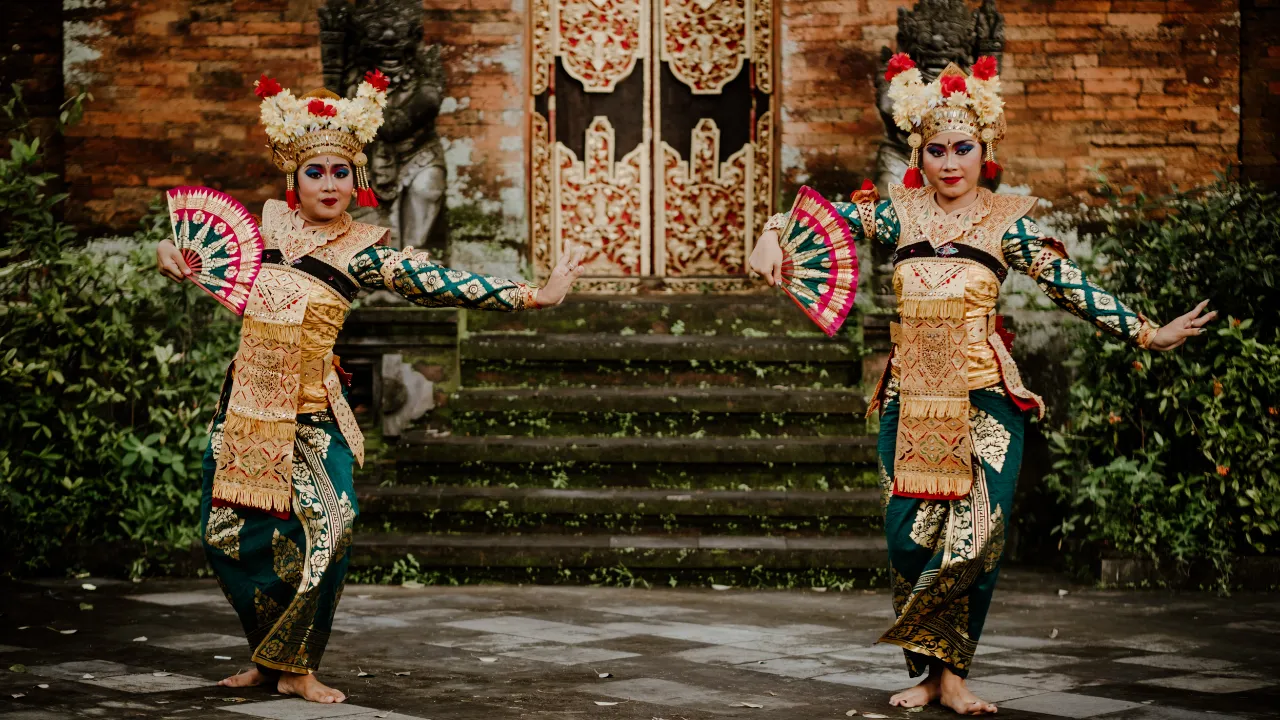
Celebration is at the heart of Balinese life. Every important moment from birth to death is marked by meaningful rituals. Beyond that, the Balinese calendar is filled with colorful festivals throughout the year.
Nyepi – The Day of Silence
During Nyepi, the entire island pauses. No lights, traffic, or noise only reflection and peace. It’s a powerful reminder of the importance of balance and renewal.
Galungan and Kuningan
These ten days of celebration mark the triumph of good over evil. Streets are decorated with penjor bamboo poles, symbols of prosperity and gratitude.
Tumpek Kandang
This special day honors animals. Pets and livestock receive blessings, prayers, and flowers. It reminds people to respect all living beings.
Furthermore, conservation groups often use this day to raise awareness about animal welfare and wildlife protection.
Harmony Between Culture and Nature
In Bali, nature is not just admired it’s sacred. The island’s natural beauty is deeply connected to its cultural identity.
The Subak System
The Subak irrigation system shows how humans and nature can work in harmony. Farmers share water fairly and offer prayers to Dewi Sri, the goddess of rice.
This balance of faith and practicality has earned Subak recognition by UNESCO as a World Heritage Site.
Spiritual Respect for Nature
Every element of nature from rivers to mountains holds spiritual meaning. Temples built near water or forests remind everyone that humans must live in balance with the earth.
Experience Balinese Culture and Wildlife at Bali Bird Park
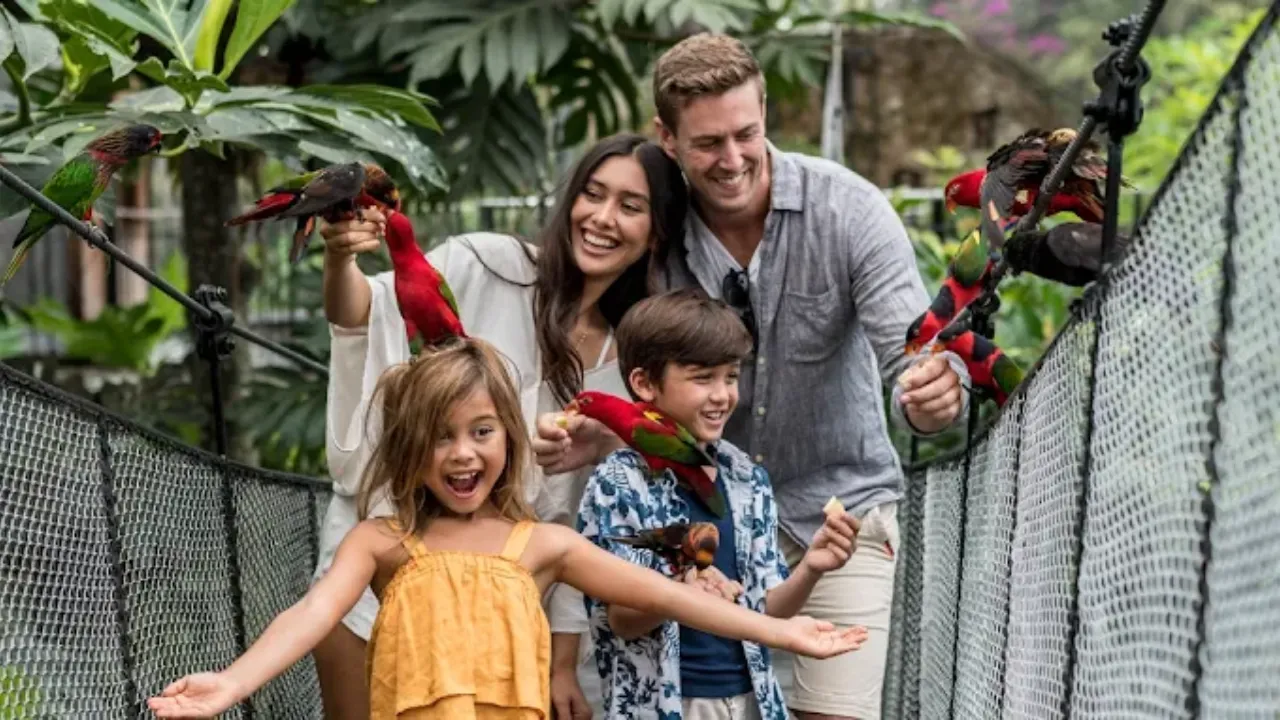
If you want to experience where tradition meets nature, visit Bali Bird Park. It’s not just a zoo it’s a living showcase of Bali’s beauty, culture, and biodiversity.
What makes it special:
Lush landscapes inspired by Balinese gardens
Traditional architecture with elegant gates and pavilions
Hundreds of bird species from Indonesia and beyond
Cultural shows and educational exhibits about birds and Balinese traditions
At Bali Bird Park, every step feels like walking through a story one that celebrates both nature and culture.
So, next time you visit Bali, don’t just see it feel it.
You’re not only exploring a destination but also stepping into centuries of harmony, devotion, and joy.