Have you ever paused to listen to the chirping of birds in the morning? That peaceful sound could slowly disappear if we don’t take action. Right now, many bird species are struggling to survive. Some are even close to extinction. That’s why bird conservation is not just for scientists or nature lovers.
It’s something that involves all of us. From large international organizations to your own backyard, every small effort makes a difference. And this article will show you why it matters, so stick around.
What is Bird Conservation?

Here are the explanations:
Definition and Goals
Bird conservation is about protecting birds and their homes. But it’s not just about keeping birds alive. It’s also about making sure they can thrive in nature. These efforts focus on saving bird species from extinction, protecting habitats such as forests and wetlands, and maintaining healthy ecosystems.
Birds are part of a much bigger picture. They help spread seeds, control pests, and even pollinate plants. If birds disappear, it could mess up the balance of nature.
That’s why bird conservation has three big goals:
- Prevent extinction: Saving rare or endangered birds from disappearing.
- Preserve biodiversity: Keeping different bird species alive to maintain a healthy planet.
- Support ecological balance: Ensuring birds continue to play their role in nature.
Why Birds Are at Risk
Birds are facing serious threats today, and most of them are caused by humans.
One of the biggest problems is deforestation. When we cut down forests to build roads, houses, or farms, birds lose their homes. Without a safe place to live, many cannot survive.
Next is pollution. Plastic waste, pesticides, and dirty water all affect birds. Some birds eat trash by mistake. Others get poisoned by chemicals in their food.
Then there’s urbanization. As cities grow, green spaces shrink. The noise, lights, and buildings confuse birds and disrupt their behavior, especially during migration.
Another sad reality is poaching and illegal wildlife trade. Some birds are captured and sold as pets or used in performances. This not only reduces their numbers but also stops them from reproducing in the wild.
Lastly, climate change is affecting everything. Birds rely on certain weather patterns to migrate or find food. But with rising temperatures and unpredictable seasons, many birds are getting lost or starving.
Global and Local Bird Conservation Efforts
Birds fly across borders. That’s why both international and local action are necessary. Fortunately, there are many dedicated individuals and organizations working tirelessly to make a positive impact.
International Organizations
Thankfully, many people around the world are working to protect birds. Big names like BirdLife International, Audubon Society, and IUCN are leading the way.
These bird conservation organizations do a lot of important work:
- Create protected areas where birds can live safely
- Study bird behavior to understand what they need
- Run breeding programs to help rare birds grow in number
- Educate the public about how to help birds
They also support bird conservation projects in different countries. These projects could be anything from restoring wetlands to building nesting boxes.
Bird Conservation in Indonesia
Let’s zoom in on Indonesia, a country known for its exceptional biodiversity.
Indonesia is home to over 1,700 bird species. That’s a huge number compared to most countries. But many of these birds are in danger. For example, the Bali Starling, with its stunning white feathers, is critically endangered. So is the colorful Cendrawasih (bird of paradise), and the proud Javan Hawk-Eagle.
Local efforts are stepping up to help. National parks, bird sanctuaries, and breeding centers are working hard to protect habitats and increase bird populations. These efforts are part of larger bird conservation ideas that aim to bring communities and nature together.
Bali Bird Park and Its Role in Conservation
Nestled in Gianyar, Bali, there’s a special place that’s doing big things for birds. It’s called Bali Bird Park.
The park is home to over 1,000 birds from 250 species, both local and international. But it’s not just a place to see pretty birds—it’s a key player in bird conservation.
You’ll find rare birds here, like the Bali Starling, Pesquet’s Parrot, and different types of birds of paradise. These birds are not just on display. Many of them are part of breeding and rehabilitation programs. Injured birds get treated and released back into the wild when they recover.
Another significant aspect of the park’s activities is education. They hold tours, talks, and interactive shows that teach visitors about bird protection and biodiversity. For many tourists, this is the first time they hear about bird conservation in such a fun and hands-on way.
If you’re planning to visit Bali, Bali Bird Park is a must-see. It’s one of the few places where you can watch bird conservation in action while also having a great time.
How Travelers Can Support Bird Conservation
You don’t have to be a scientist or conservationist to make a difference. Even travelers can make a meaningful difference. Here’s how:
1. Visit Ethical Wildlife Attractions
When you travel, where you choose to go matters, pick places that care for animals, not just show them off. Parks like Bali Bird Park are great examples, as they combine educational shows and photo opportunities with strong conversation programs, breeding initiatives, and wildlife education.
Instead of visiting places that only focus on exploiting animals for profit, choose destinations that prioritize animal welfare, habitat preservation, and public awareness about protecting wildlife.
2. Support Conservation Projects
You don’t have to be a scientist to help save birds. There are lots of ways travelers can pitch in:
- Donate to bird conservation projects
- Volunteer your time for research or habitat cleanup
- Join adopt-a-bird programs that fund food and medical care
- Buy souvenirs that support local artisans and conservation work
Even small amounts of support can go a long way in helping bird conservation organizations do their job.
3. Be a Responsible Traveler
Travel responsibly, and the birds will thank you. Simple things make a difference.
- Don’t litter in forests or on beaches. Birds may eat plastic or get stuck.
- Stay on marked trails when hiking. This protects nesting areas.
- Avoid feeding wild birds, as it can change their natural habits.
- Join eco-friendly birdwatching tours led by local experts.
These tours are a great way to enjoy nature while also supporting bird conservation jobs and local communities.
Final Thoughts – Let’s Protect Our Feathered Friends
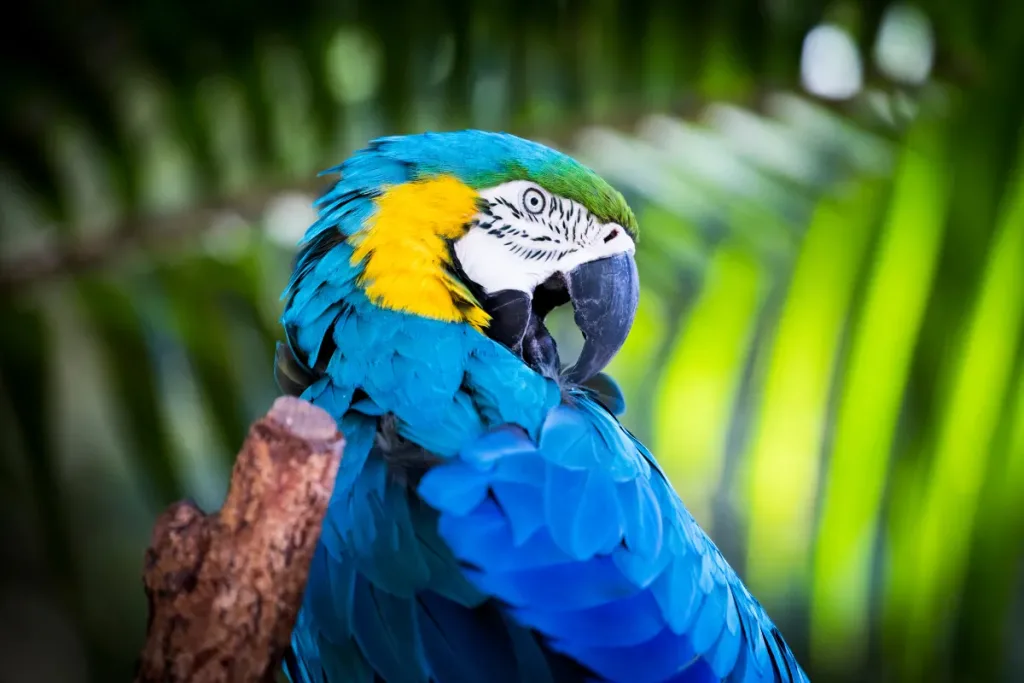
Saving birds is about more than just animals. It’s about saving a part of the planet that keeps everything in balance.
Whether you’re a traveler, a student, or just someone who enjoys nature, you can play a role in bird conservation. Remember:
- Every small act of kindness to birds counts.
- Travel can be fun and meaningful at the same time.
- Next time you’re in Bali, take time to visit Bali Bird Park, a place where you directly support the preservation of these incredible creatures.
Bali Bird Park – A Fun and Memorable Conservation Park in Bali
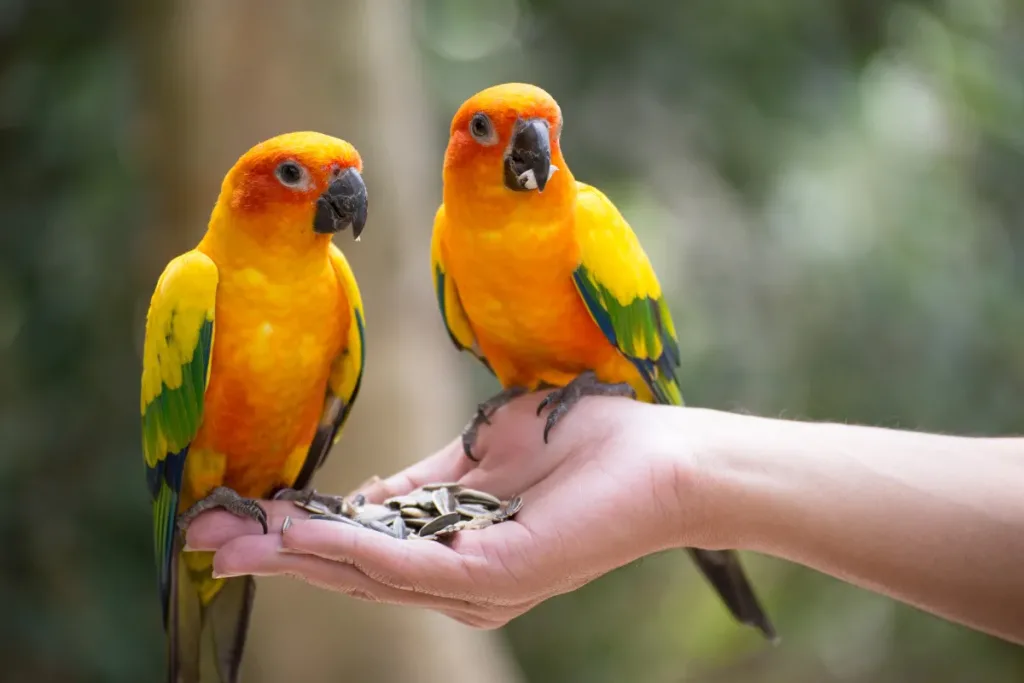
Bali is renowned for its stunning beaches, magnificent temples, and lush rice fields. However, it also boasts something truly special: the Bali Bird Park.
More than just a tourist stop, this park gives you a fun and memorable experience while teaching you about bird conservation. Walk through lush gardens filled with free-flying birds. Watch rare birds being hand-fed by experts. Learn how breeding centers give endangered species a second chance.
The park also offers interactive shows that aren’t just for kids. Everyone, young and old, can walk away with a deeper understanding of how important birds are to our world.
And the best part? You don’t just see birds. You support a cause. A portion of every ticket goes toward saving birds, both in Bali and beyond. It’s the kind of experience that sticks with you.
So if you’re ever in Bali, don’t miss out. Visit Bali Bird Park and be a part of something beautiful, bird conservation at its best.