10 Endangered Species in Indonesia You Should Know About
Indonesia is one of the most biodiverse countries in the world. It’s more than 17,000 islands that shelter countless creatures, many of which live nowhere else. However, the sad truth is that many animals here are in danger of extinction.
When we talk about endangered species in Indonesia, we’re not just listing names, we’re talking about living beings that face shrinking habitats, illegal hunting, and climate change that threaten their survival. By the end of this article, you’ll understand not only which animals are most at risk but also why their preservation matters for Indonesia and the world.
Understanding Endangered Species
An endangered species faces a high risk of extinction. The International Union for Conservation of Nature (IUCN) places species into categories such as Vulnerable, Endangered, or Critically Endangered. These categories reflect the severity of the threats.
Some of the main reasons species become endangered include:
- Habitat loss: forests cleared for agriculture or urban growth.
- Hunting and poaching: animals killed for trade, food, or trophies.
- Pollution: waste, plastics, or chemicals are poisoning their homes.
- Climate change: rising seas, altered rainfall, and shifting temperatures.
In Indonesia, where many animals are endemic, these pressures can have devastating effects. If a species disappears here, it may vanish from the planet entirely.
Causes of Endangerment in Indonesia

Indonesia has some of the richest ecosystems in Asia, but they are under heavy stress.
Deforestation and Habitat Loss
Some of the biggest rainforests in Indonesia are located in Sumatra, Kalimantan, and Papua. But logging, palm oil plantations, and mining have cleared huge areas. According to WWF, more than half of Sumatra’s forests have disappeared in just 40 years. This has left animals like tigers, elephants, and orangutans with nowhere to go.
For example, the Sumatran elephant has lost over 69% of its habitat in the past 25 years. When forests vanish, elephants struggle to find food and often come into conflict with humans.
Illegal Hunting and Wildlife Trade
Many rare animals in Indonesia are also victims of illegal hunting. The demand for tiger skins, rhino horns, pangolin scales, and exotic birds feeds a global black market. Indonesia’s Sumatran tiger population has dropped to fewer than 400 individuals. The Sumatran rhino is in even worse shape, with fewer than 100 left in fragmented habitats.
Birds are also heavily traded. The Bali starling, once reduced to fewer than 100 in the wild, became critically endangered mainly due to capture for the pet market.
Climate Change and Environmental Issues
Rising temperatures and unpredictable weather disrupt Indonesia’s ecosystems. Coral reefs bleach, rainforests dry up, and mangroves erode. For species already stressed by hunting and deforestation, climate change is like a final push toward extinction in Indonesia.
Examples of Endangered Species in Indonesia
Here are 10 of the most iconic cases, truly the top 10 endangered species in Indonesia you should know about.
1. Sumatran Tiger

The Sumatran tiger is the last surviving tiger subspecies in Indonesia, following the extinction of the Javan and Balinese tigers. Today, fewer than 400 remain in the wild. They live only in Sumatra, where poaching and forest destruction continue to shrink their habitat.
Their loss would be devastating, as they are top predators and symbols of Indonesia’s rich forest ecosystem.
2. Orangutan (Sumatran and Bornean)

The orangutan, meaning “person of the forest,” is among the smartest Indonesian rainforest animals. But numbers are falling. The Sumatran orangutan has only around 14,600 individuals left, while the Bornean orangutan has about 104,000, but both are endangered. Deforestation for palm oil plantations is the primary driver. Many baby orangutans are captured for the pet trade after their mothers are killed.
3. Javan Rhino

The Javan rhino, once roaming widely throughout Asia, is now confined to a single refuge: Ujung Kulon National Park in Java. The population is estimated to be between 60 and 75 individuals. It is one of the rarest mammals on Earth. Any disease outbreak or natural disaster in this small area could wipe them out.
4. Sumatran Rhino
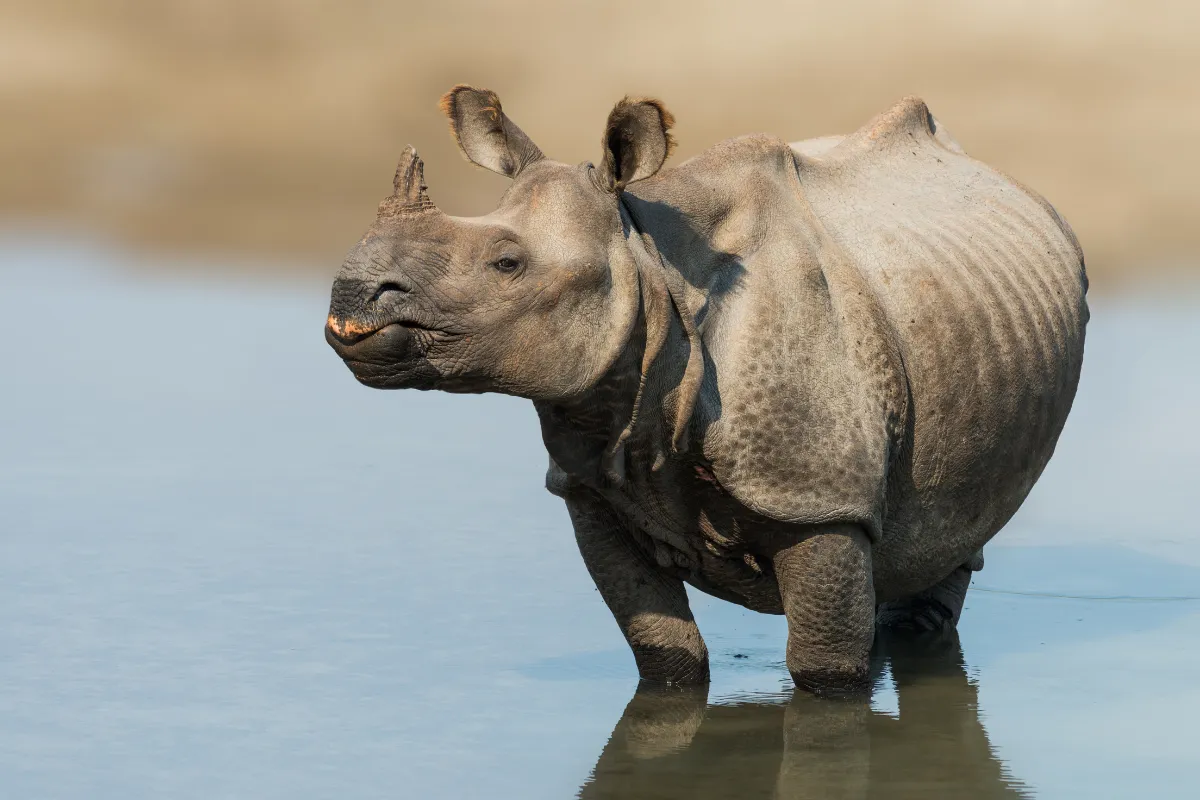
The Sumatran rhino is on the brink of extinction, with its population estimated at under 100 spread between Sumatra and Kalimantan. It holds the title as the tiniest rhino species and is the sole Asian rhino to grow two horns. Efforts to save them through breeding programs in captivity are underway, though progress has been slow and challenging.
5. Sumatran Elephant

The Sumatran elephant is listed as Critically Endangered by the IUCN. Once widespread, they have lost over two-thirds of their habitat in just a quarter-century. Habitat destruction pushes them into farmland, where they are sometimes killed in retaliation. Today, only about 2,400–2,800 survive in fragmented groups.
6. Bali Starling

The Bali starling, or jalak Bali, is a snow-white bird with a blue ring around its eyes. In the 1990s, fewer than 50 remained in the wild due to illegal capture. Thanks to breeding programs, the numbers have improved slightly, but they remain critically endangered. They symbolize the fragility of Bali’s natural beauty.
7. Komodo Dragon

The Komodo dragon is the world’s largest living lizard, growing up to 3 meters long. Found only on Komodo, Rinca, Flores, and a few nearby islands, about 3,000 remain. While not as critically endangered as some species, they face threats from habitat loss, rising sea levels, and reduced prey availability.
8. Anoa (Sulawesi Buffalo)

Endemic to Sulawesi, anoa is a small wild buffalo that lives in forests. Both the mountain and lowland anoa are endangered. Hunting for meat and shrinking forests are reducing their numbers.
9. Proboscis Monkey
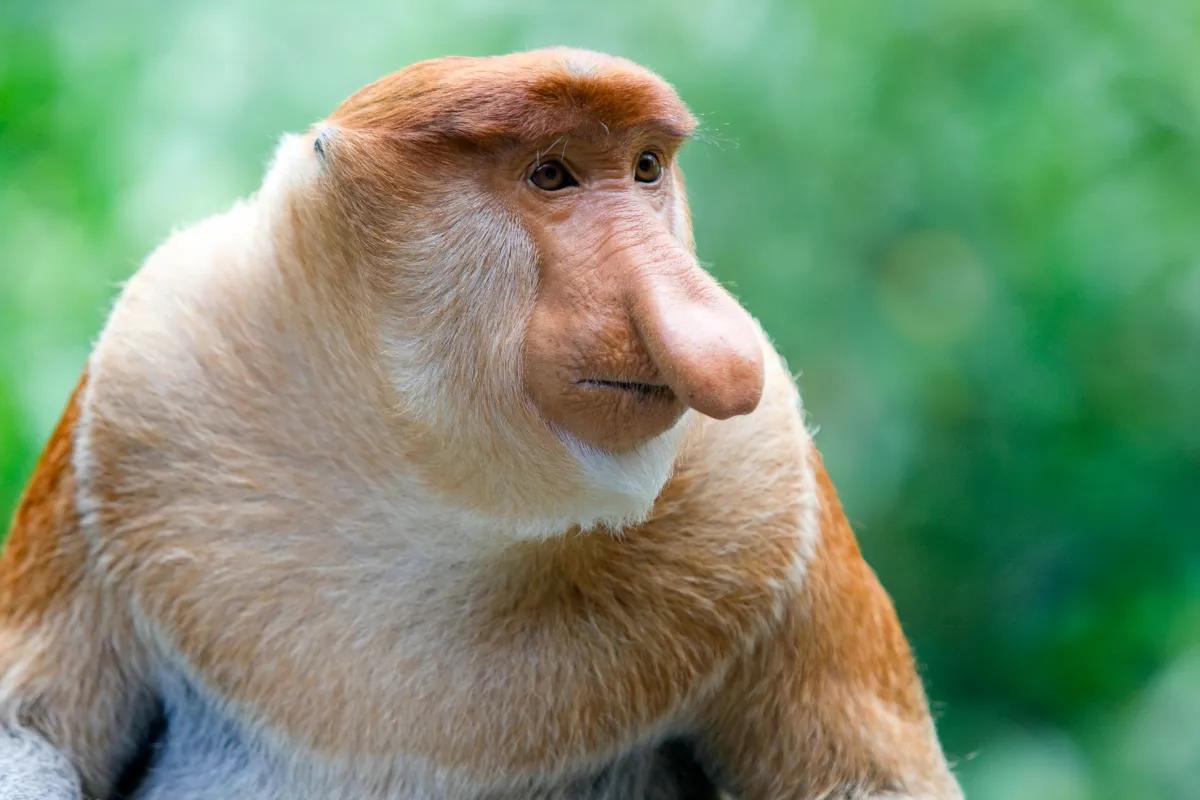
This unique monkey, famous for its large nose, lives in Kalimantan’s mangrove forests. Excellent swimmers, they often leap into rivers to escape predators. Sadly, they are endangered due to the destruction of mangroves and hunting. They show how fragile coastal ecosystems are.
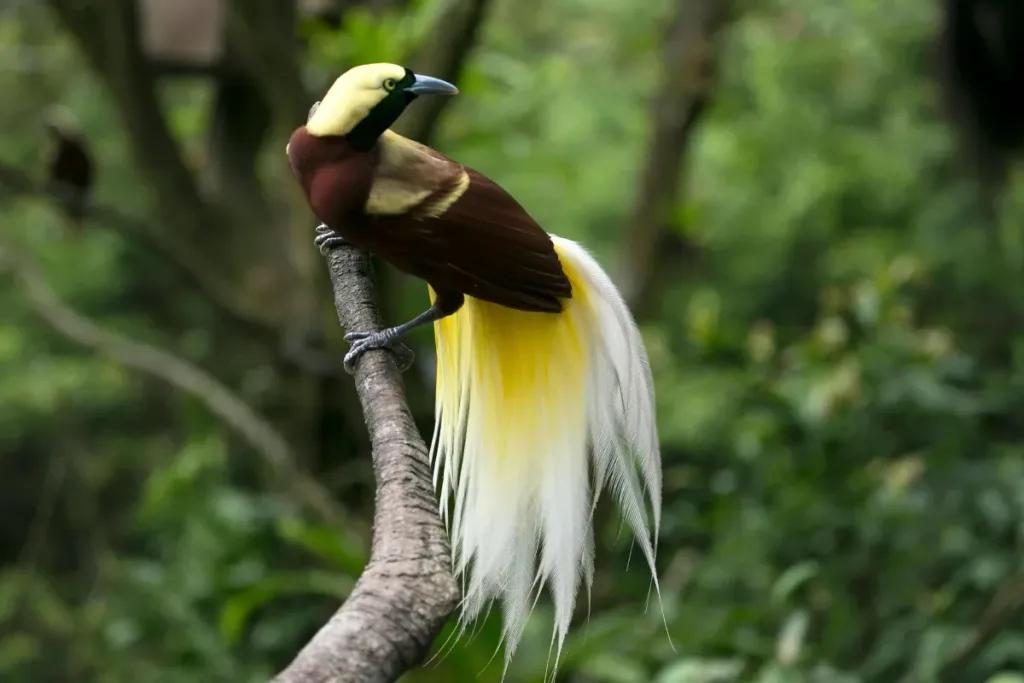
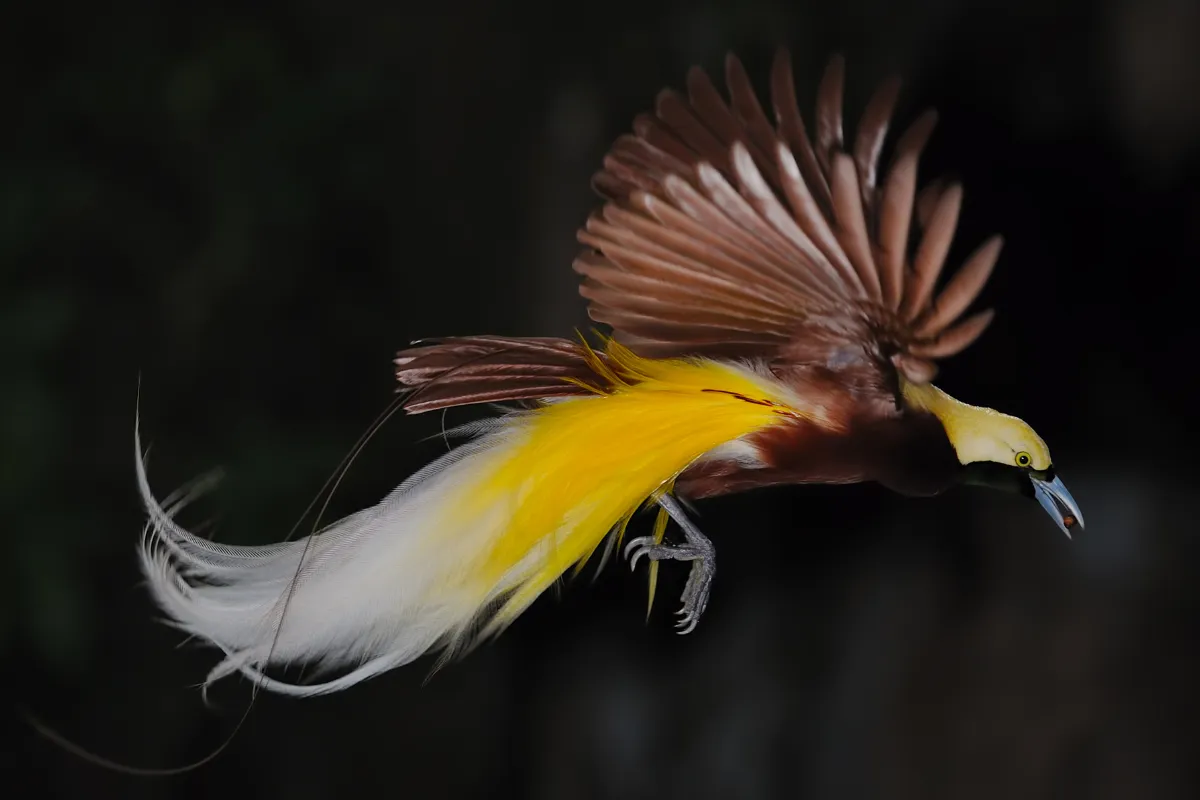
10. Birds of Paradise

Papua’s birds of paradise are among the most beautiful in the world, with extravagant feathers and mating dances. While not all are critically endangered, several species are at risk from hunting and habitat loss. Their beauty has long made them targets for the feather trade.
Conservation Efforts in Indonesia

Thankfully, Indonesia has not given up on its wildlife.
Government Initiatives
The government has established over 50 national parks, banned the hunting of many species, and launched breeding programs. For example, Ujung Kulon protects the Javan rhino, while Way Kambas in Sumatra works on Sumatran rhino breeding. Laws are in place, though enforcement still faces challenges.
Role of Conservation Parks and Sanctuaries
Parks and sanctuaries play a significant role. Ujung Kulon, Tanjung Puting, and the Bali Bird Park are examples where conservation and education intersect. Sanctuaries rescue animals from illegal trade and prepare them for release. Without these safe havens, many species would be closer to extinction.
Community Awareness and Education
Public involvement is critical. Schools, NGOs, and even religious organizations spread awareness. In 2014, Indonesia’s top Islamic council declared wildlife trafficking haram (forbidden), strengthening conservation from a cultural and spiritual angle. Small changes, such as refusing to buy exotic pets, add up to significant impacts.
Why Visit Bali Bird Park?

Bali Bird Park is more than a tourist attraction. It’s a conservation hub where endangered birds, such as the Bali starling and Javan hawk-eagle, are bred and protected.
By visiting, you directly support conservation efforts. Families, students, and travelers can learn about biodiversity while helping sustain programs that release birds back into the wild. It’s a perfect example of eco-tourism that benefits both people and animals.
Indonesia’s biodiversity is both a treasure and a responsibility. The top 10 endangered animals in Indonesia, ranging from tigers and rhinos to birds and primates, highlight the country’s unique wildlife. These species face serious threats, but with conservation efforts, increased awareness, and support, their survival remains possible.
By visiting conservation parks, supporting responsible eco-tourism, and spreading awareness, everyone can play a role. Protecting nature is not just about saving animals; it’s about preserving balance, culture, and future generations. With joint efforts, endangered species in Indonesia can continue to live, thrive, and inspire.