If there’s one bird that perfectly embodies the spirit of Indonesia, it’s the Javan Hawk Eagle. With its proud crest, intense gaze, and fierce presence, this bird isn’t just a beautiful sight in the wild; it’s also Indonesia’s official national bird. But beyond its regal appearance, the Javan Hawk Eagle hides a story of survival, symbolism, and a delicate battle against extinction.
Once you learn about this unique creature, you’ll see why conservationists are fighting so hard to keep it soaring through the skies of Java.
General Overview of the Javan Hawk Eagle

Scientifically known as Nisaetus bartelsi, the Javan Hawk Eagle is a raptor species found exclusively on the island of Java, Indonesia. That’s right! This bird exists nowhere else on Earth. It’s what scientists call an endemic species, meaning its entire natural population is tied to this one island.
Unfortunately, that exclusivity is part of the problem. With a limited range and increasing threats to its environment, the Javan Hawk Eagle has been listed as Critically Endangered on the IUCN Red List.
That’s just one step away from extinction in the wild. While it’s often admired for its majestic looks, this bird also represents the fragile balance of ecosystems on the island.
The Javan hawk-eagle population today is estimated at fewer than 600 individuals. Such low numbers make each bird critically important to the survival of the species.
Distinctive Features
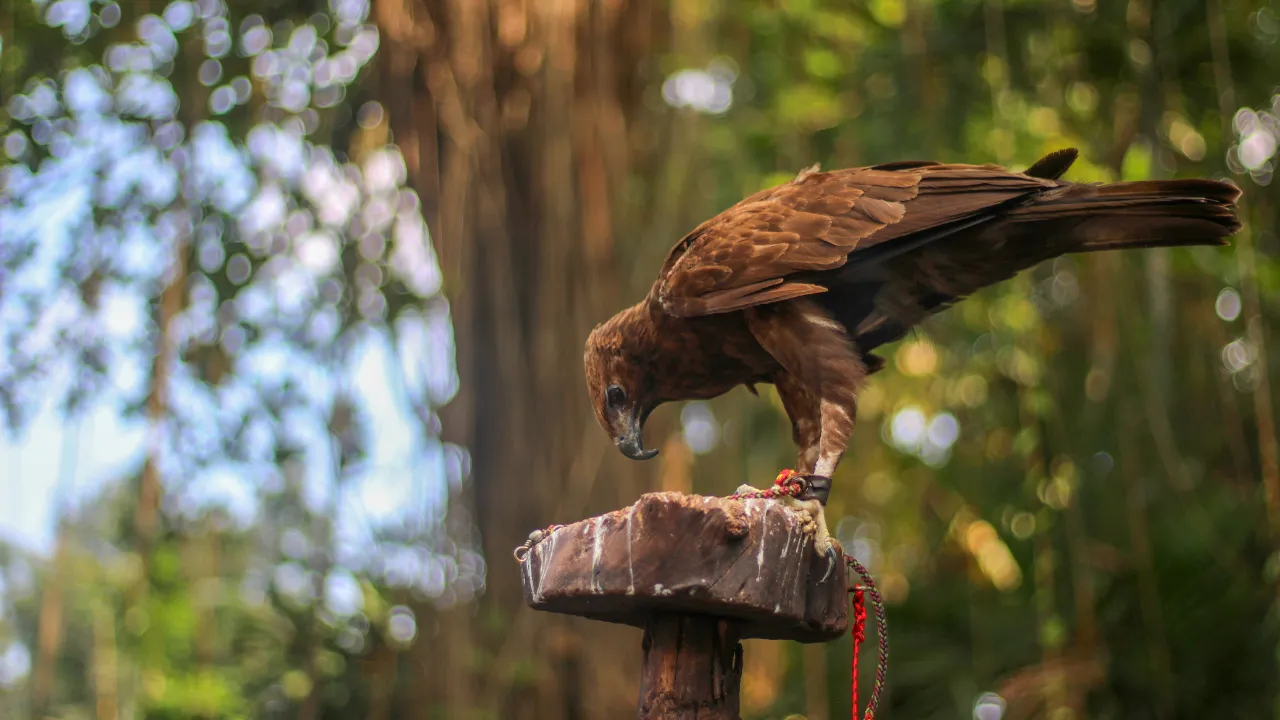
What makes the Javan Hawk Eagle stand out so dramatically among other birds of prey? Let’s start with the crown. It sports a striking crest of feathers that sticks out from the top of its head, making it look like it’s wearing a crown.
This unique look has earned it the nickname “Garuda,” the name of a mythical bird in Hindu and Buddhist traditions that also happens to be Indonesia’s national symbol.
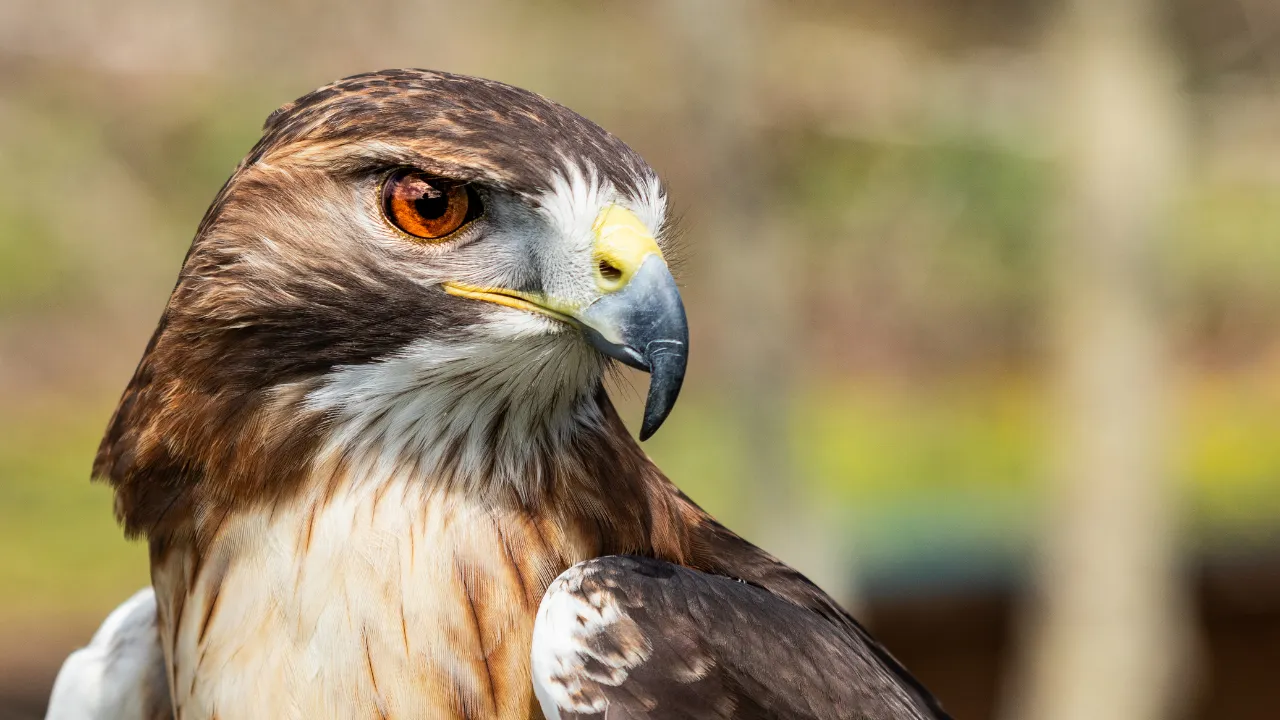
Its plumage ranges from deep brown to chestnut, with bold, barred underparts that give it a patterned look. Its piercing yellow eyes seem to glow, giving the bird an intense, almost otherworldly stare. Add to that a powerful, hooked beak and strong talons, and you have one of the most intimidating predators in the rainforest.
In terms of javan hawk-eagle size, adults typically measure around 60–70 cm (about 2 feet) in length, with a wingspan reaching nearly 120 cm. That’s not the biggest eagle in the world, but in the dense forests of Java, this size is just right for navigating through trees while hunting.
Habitat and Distribution
The Javan Hawk-Eagle habitat is just as specific and special as the bird itself. It lives in dense tropical rainforests, especially in mountainous areas where human disturbance is minimal. These forests provide the perfect cover for nesting and hunting.
Some of the main strongholds for the eagle include Gunung Gede Pangrango National Park, Mount Halimun-Salak, and Ujung Kulon National Park. These protected areas are essential because they offer relative safety from poachers and deforestation.
Unfortunately, Java is one of the most densely populated islands in the world. As the human population grows, forests are being cleared for agriculture, roads, and settlements.
This has led to habitat fragmentation, where patches of forest are isolated and disconnected. Eagles that once had wide territories are now confined to small areas, making it harder for them to find mates, food, and safe nesting spots.
Behavior and Hunting Style
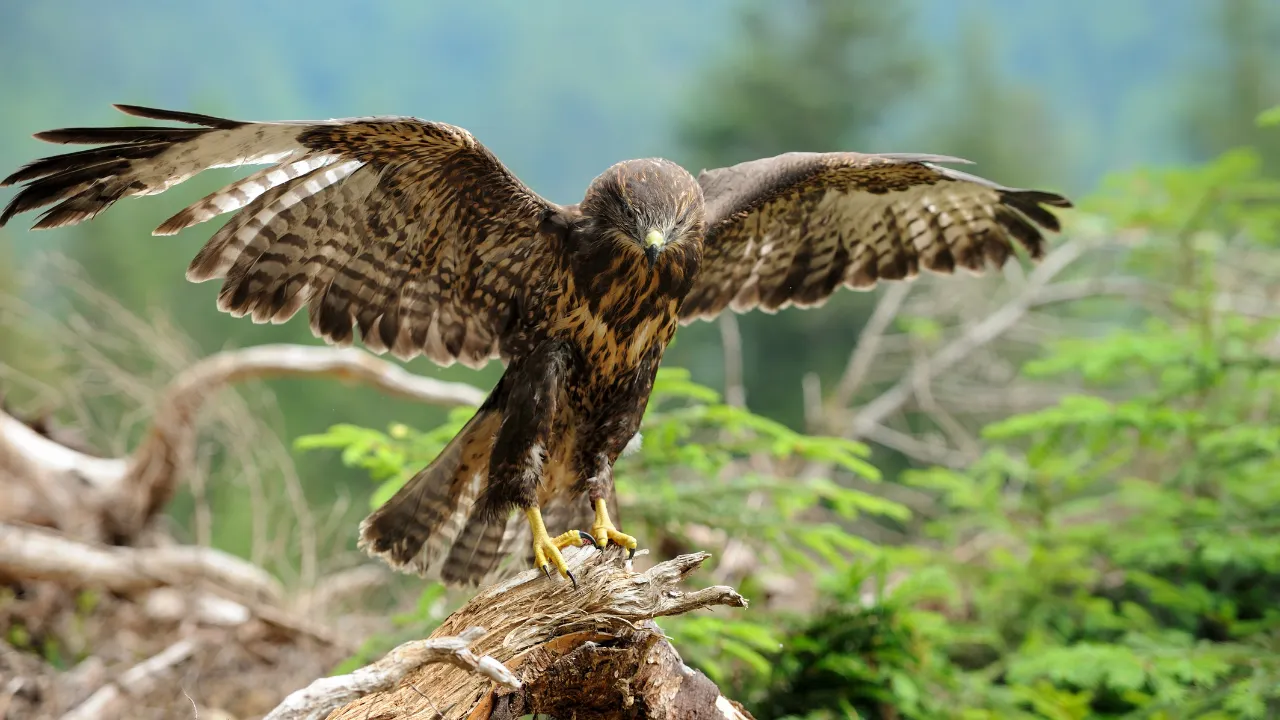
The Javan Hawk Eagle is known for being a solitary and territorial bird. Once it finds a territory, it stays loyal to it, often defending it fiercely from intruders.
When it comes to hunting, this bird is a master of stealth and speed. Its preferred meals include small mammals, reptiles, and birds. Think squirrels, lizards, or even large insects. The Javan Hawk Eagle’s diet is highly adaptable depending on what prey is available.
Its agility is one of its strongest advantages. Unlike larger eagles that need open skies, the Javan Hawk Eagle can zip between tree trunks, twist through tight spaces, and dive suddenly on unsuspecting prey. Its vision is incredibly sharp, allowing it to spot movement from a great distance even in thick foliage.
Hunting is usually done alone, and it will perch quietly for long periods before making its move. This patience is part of what makes it such an effective predator.
Breeding and Lifespan
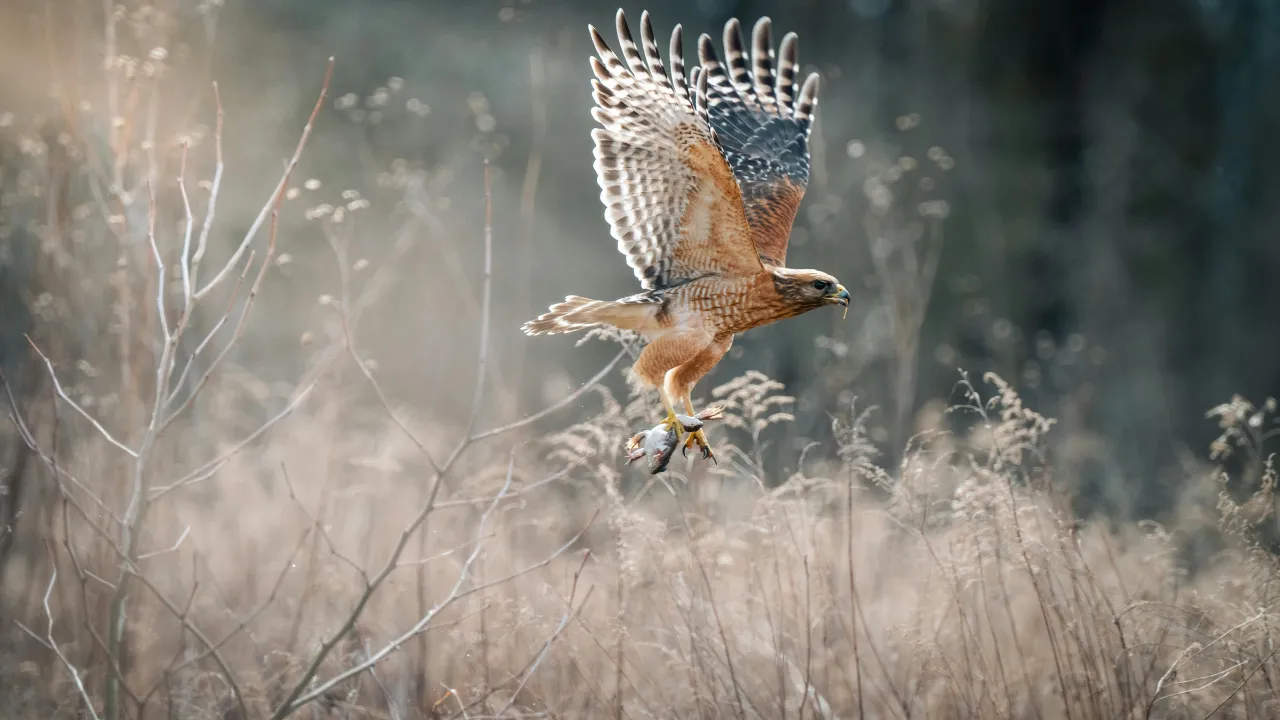
Unlike many birds that lay several eggs at once, the Javan Hawk Eagle is monogamous and has a long breeding cycle. Typically, it will lay just one egg per breeding season, which makes each chick incredibly valuable to the population.
Once the egg is laid, both parents take part in incubation, though the female usually does the lion’s share. After hatching, the chick is nurtured for months. Both parents bring food, protect the nest, and teach the young one to hunt.
This high level of parental care means the chick has a better chance of surviving, but it also means the population grows very slowly. In the wild, a Javan Hawk Eagle can live for up to 20 years, but their slow reproduction rate makes it tough to recover from population losses.
Symbolism and National Importance
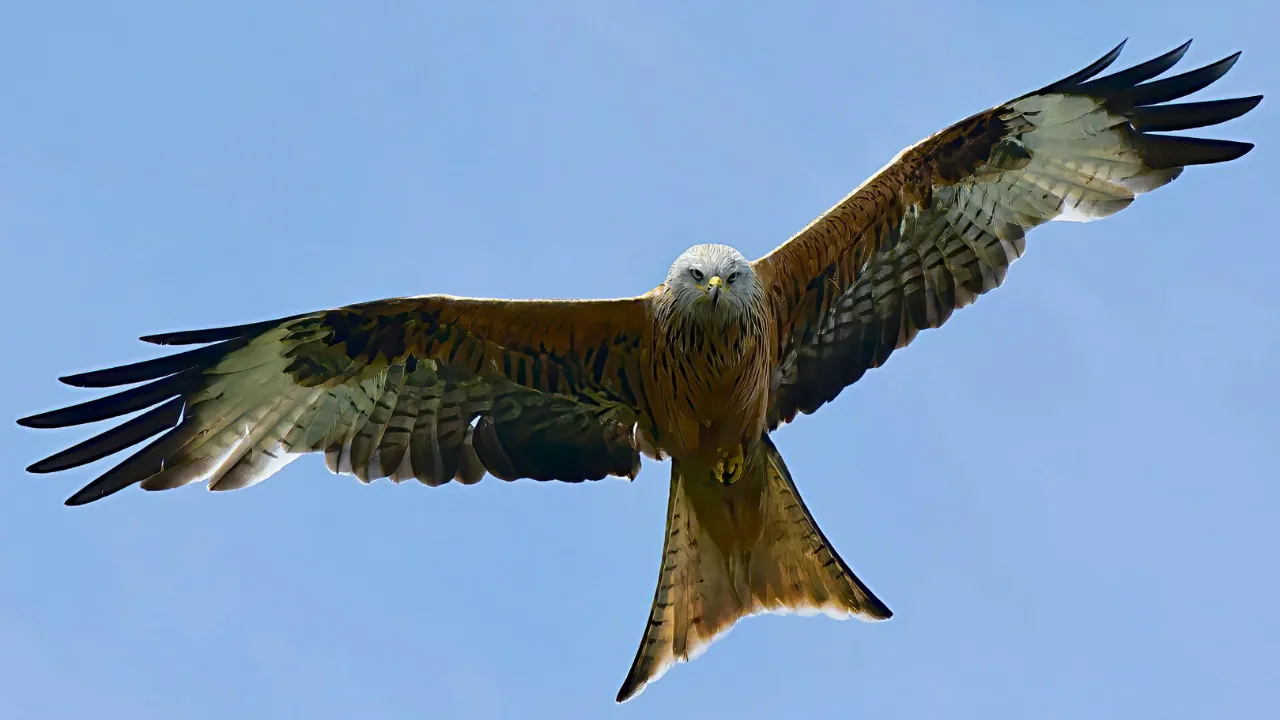
In 1993, the Indonesian government declared the Javan Hawk Eagle as the official national bird. It wasn’t just chosen for its beauty, but also because it resembled the mythical Garuda, a creature that represents power, freedom, and national pride.
The eagle has since become a symbol of strength and resilience. You’ll find its image in education campaigns, posters, and national park logos. For many Indonesians, it serves as a reminder of the country’s rich natural heritage, and of the need to protect it.
Children learn about the bird in school. It’s featured in books and documentaries. It’s more than a bird; it’s a cultural icon.
Threats and Conservation Efforts
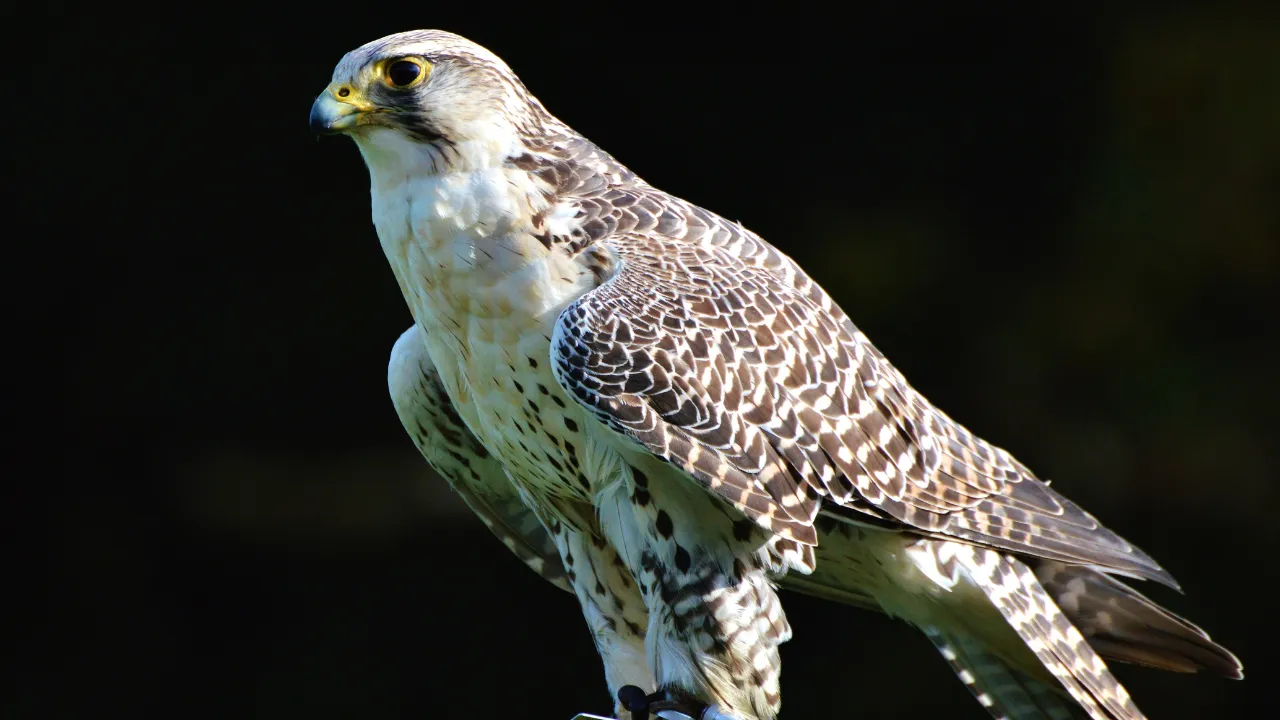
Despite its protected status, the Javan Hawk Eagle faces multiple threats. The most serious include:
- Habitat loss due to deforestation and land conversion
- Illegal wildlife trade, where birds are captured and sold as exotic pets
- Low reproduction rates, which slow down population recovery
Conservationists are working hard to counter these threats. The Indonesian government has made it illegal to capture or harm the bird. Several national parks have established monitoring programs to track eagle nests and movement patterns.
Breeding programs have also been introduced. These aim to raise chicks in captivity and release them back into the wild once they’re strong enough. Education efforts are helping local communities understand the importance of preserving the eagle’s habitat.
Non-governmental organizations, scientists, and even school children have all joined forces to support the Javan Hawk Eagle’s survival. It’s a team effort and one that’s beginning to show results.
Meet the Javan Hawk Eagle at Bali Bird Park

If you’re curious to see this rare bird up close, Bali Bird Park is one of the best places to visit. The park is home to several rare and endangered species, including the Javan Hawk Eagle.
Here, visitors can observe the bird safely, watch it in its aviary, and even learn about its behavior, diet, and conservation status through interactive displays. It’s a great way to introduce children and tourists to Indonesia’s biodiversity.
The park also runs educational programs aimed at raising awareness among students and nature lovers. These include talks, feeding demonstrations, and conservation workshops. The idea is simple: the more people care about this bird, the better its chances of survival.
Plus, seeing the Javan Hawk Eagle in person, its sharp eyes, proud stance, and feathered crown, is an unforgettable experience.
The Javan Hawk Eagle is more than just a beautiful bird. It’s a symbol of Indonesia’s natural richness, a guardian of the rainforest, and a reminder of what’s at stake when nature is taken for granted. The bird deserves a future just as powerful and proud as its mythological counterpart, the Garuda.