Have you ever heard a bird laugh? Not just chirp or sing, but actually laugh? If you find yourself in Australia or parts of New Guinea, you might hear a sound that could easily be mistaken for a person cackling in the trees. That sound belongs to the kookaburra, one of the most iconic and entertaining birds in the Southern Hemisphere.
Known not only for its unique call but also its curious behaviors, this bird has charmed locals and visitors alike for centuries. In this article, we’ll dive deep into the world of the kookaburra: what makes it special, where it lives, what it eats, and why it’s worth paying attention to.
Introduction – Meet the Kookaburra Bird
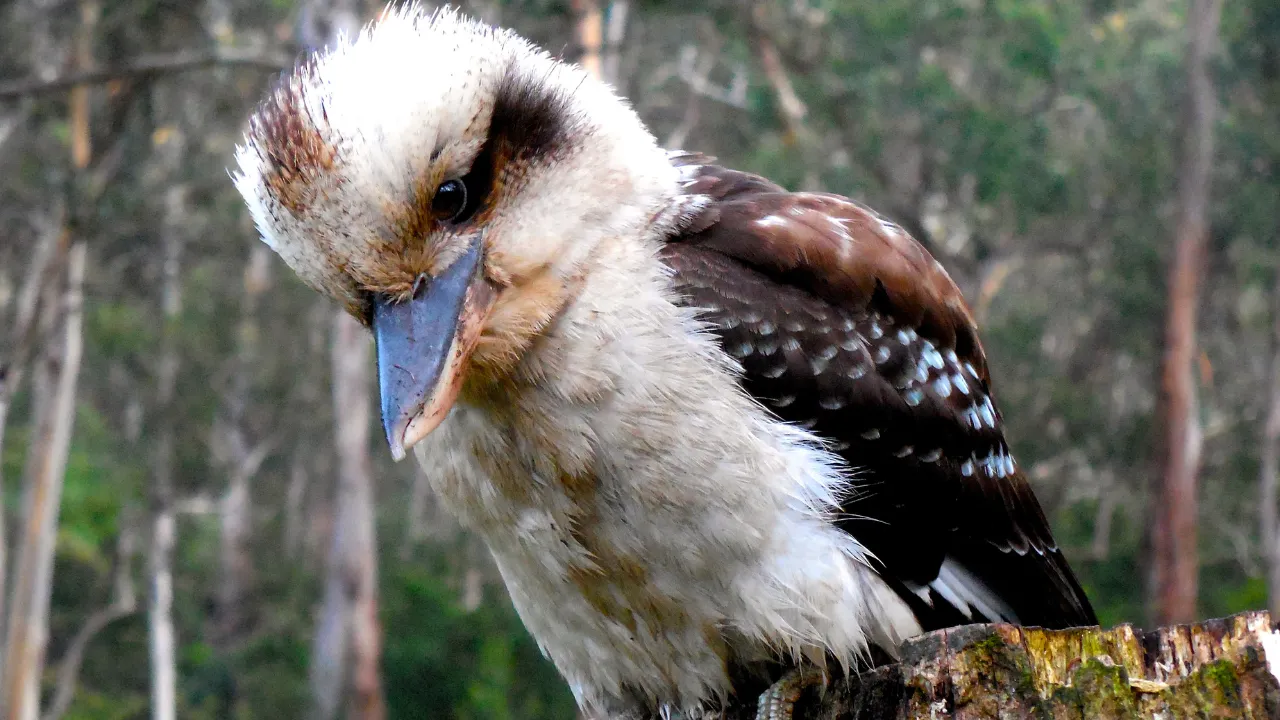
The kookaburra bird is a true Australian icon. It’s not just a bird that makes noise, it practically performs. Its most famous feature is its loud, rolling call that sounds strikingly like human laughter. This unique sound echoes through forests and neighborhoods, creating a sense of wilderness and mystery that defines the Australian bush.
But the kookaburra is more than just its voice. For Indigenous Australians, this bird has deep spiritual and cultural meaning. In Aboriginal legend, the kookaburra’s morning laughter is said to wake up the sun each day. The bird also appears in children’s songs, TV shows, and countless stories, making it a recognizable figure far beyond its native environment.
General Overview of the Kookaburra Bird
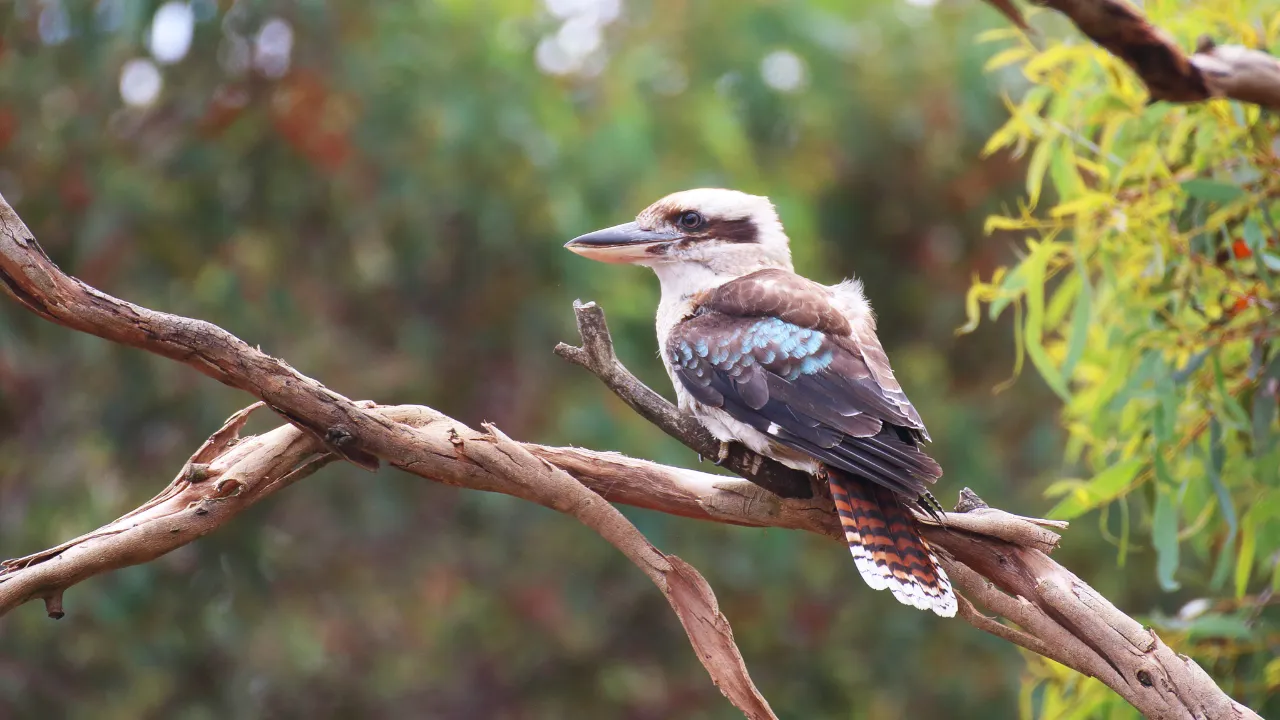
Despite its fame, many people don’t realize that the kookaburra bird is actually a type of kingfisher. But unlike its fishing cousins, the kookaburra doesn’t spend much time near water. Instead, it prefers dry forests, open woodlands, and even suburban areas.
Kookaburras are native to Australia and New Guinea. Their name comes from the Aboriginal word “guuguubarra,” which perfectly mimics the bird’s laughing call. The name isn’t just fun to say, it captures the spirit of the bird itself: loud, cheeky, and unforgettable.
You’ll often see kookaburras perched high on a branch, scanning the ground for prey. When they spot something tasty, they swoop down quickly and strike with deadly precision. They’re quiet hunters, but they sure aren’t quiet birds.
Physical Appearance and Unique Traits

Size and Plumage
When you first spot a kookaburra, it might not look too different from other birds at a distance. But a closer look reveals its striking features. The average kookaburra size is about 40 to 45 centimeters (roughly 16–18 inches), making it one of the largest kingfishers in the world.
Its feathers are usually a mix of creamy whites and warm browns, giving it excellent camouflage among tree trunks and branches. The beak is thick, long, and sharp, perfect for catching prey. And don’t forget those expressive eyes that give the bird a slightly comical but wise appearance.
Iconic Laughing Call
Nothing defines a kookaburra like its laugh. If you’ve ever watched an old jungle movie or heard a forest sound effect, chances are you’ve already heard the kookaburra’s call. It’s a rolling, loud burst of sound that seems to go on forever, rising and falling like a giggle on steroids.
This call isn’t just for show. Kookaburras use it to mark their territory and to communicate with their family members. It’s a way of saying, “This tree is taken!” or “Dinner time!” to other birds nearby.
Carnivorous Diet
You might expect a bird this cheerful-sounding to nibble on berries or seeds, but the kookaburra is all carnivore. The kookaburra diet includes a wide variety of meat: insects, small snakes, lizards, mice, and even small birds. It’s a skilled hunter that usually waits quietly on a branch before diving down on its prey.
Once caught, the kookaburra doesn’t just eat right away. It’s known for bashing its prey against a branch to kill or soften it before swallowing. Brutal, but effective.
Types of Kookaburras

While the laughing kookaburra is the best known, there’s another important member of the kookaburra family worth mentioning.
Laughing Kookaburra
This is the one most people know. It lives mainly in eastern Australia and has the iconic, booming laugh. It’s larger and more commonly seen in populated areas.
Blue-winged Kookaburra
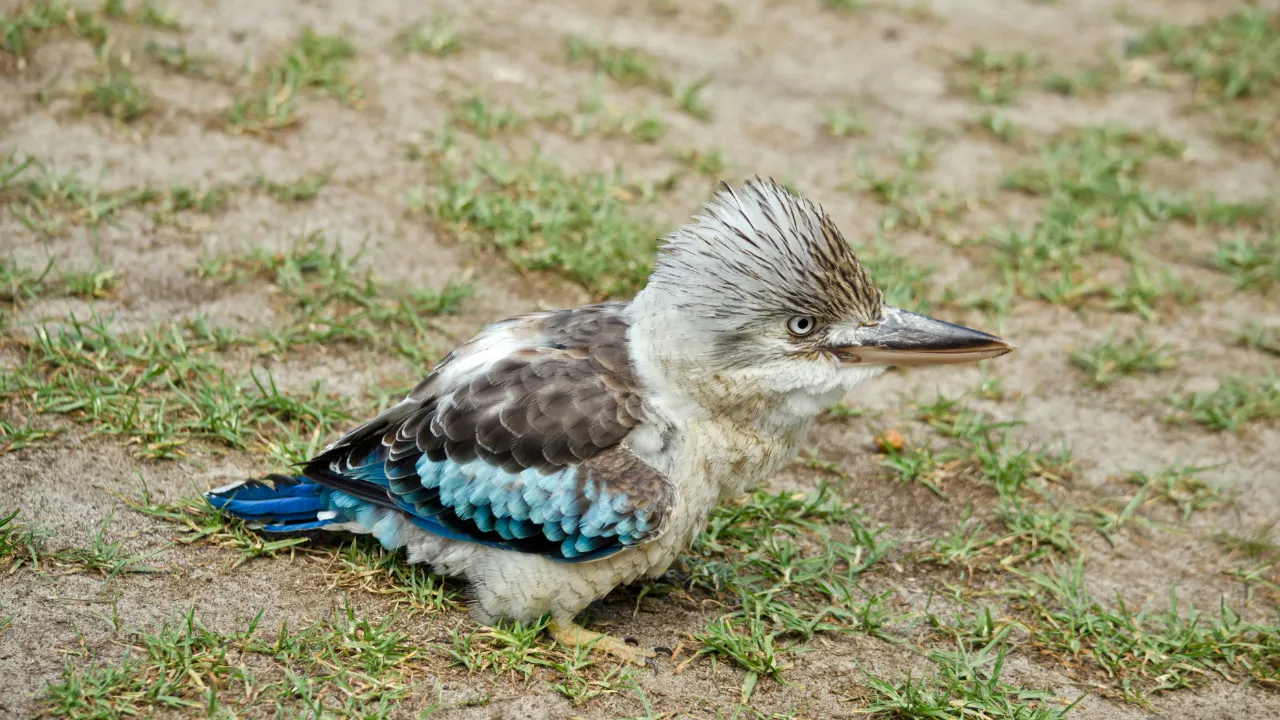
Found mainly in northern Australia and Papua New Guinea, this version of the bird is slightly smaller and has vibrant blue feathers on its wings and tail. Unlike its cousin, the blue-winged kookaburra has a more subdued and shorter call, not quite the loud laugh we associate with the species.
Despite their differences, both types are expert hunters and loyal family members. They tend to stick with their mates for life and defend their territory fiercely.
Fascinating Kookaburra Facts
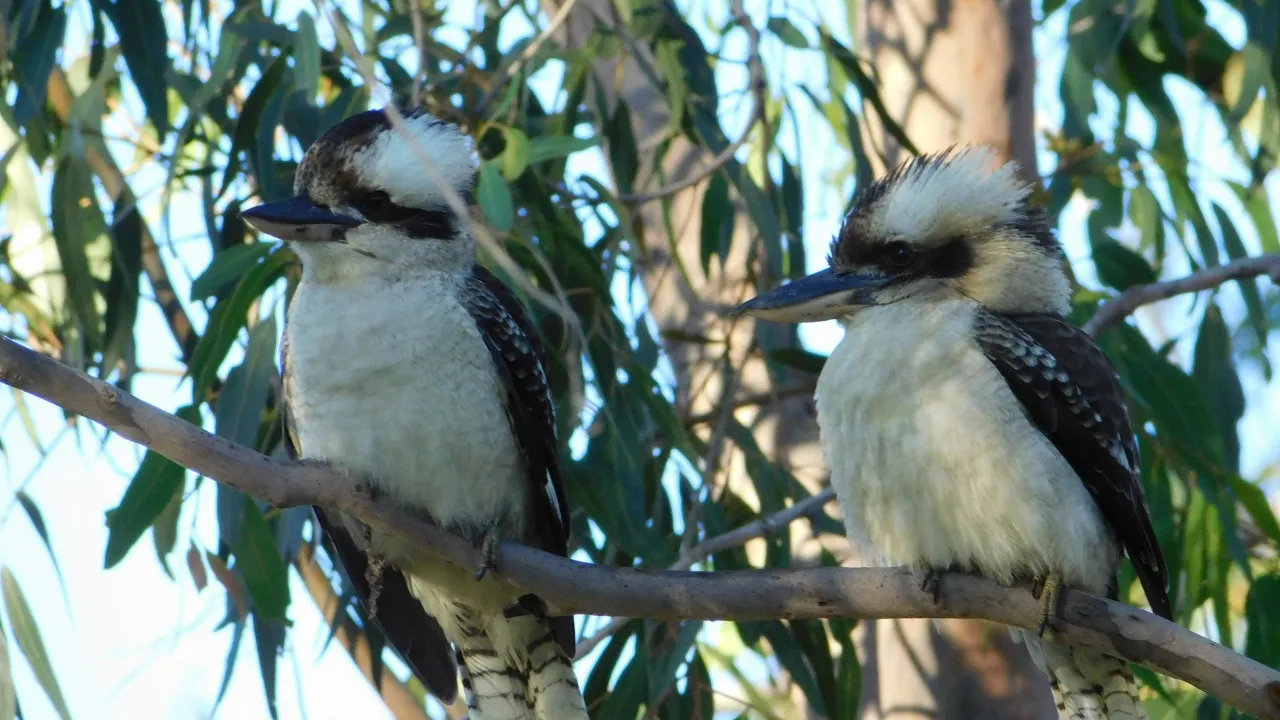
There’s so much more to this bird than meets the eye or ear. Here are some fun and surprising facts that show just how unique the kookaburra really is:
- Not all kookaburras laugh: That famous call? It’s mainly from the laughing kookaburra. The blue-winged kookaburra has a more choppy, less dramatic sound.
- They mate for life: Once kookaburras find a partner, they tend to stick together forever.
- Family comes first: Young kookaburras don’t fly the coop right away. Instead, they stay with their parents to help raise the next batch of chicks.
- They’re backyard visitors: In many parts of Australia, kookaburras are so common that people see them in their gardens or hear them calling at dawn.
- Used in media: Even if you’ve never been to Australia, you’ve probably heard the kookaburra’s call in movies and TV shows, especially in scenes set in jungles, even though the bird doesn’t live in jungles at all.
These behaviors and traits make the kookaburra both a fierce predator and a lovable neighbor.
Conservation Status and Natural Habitat
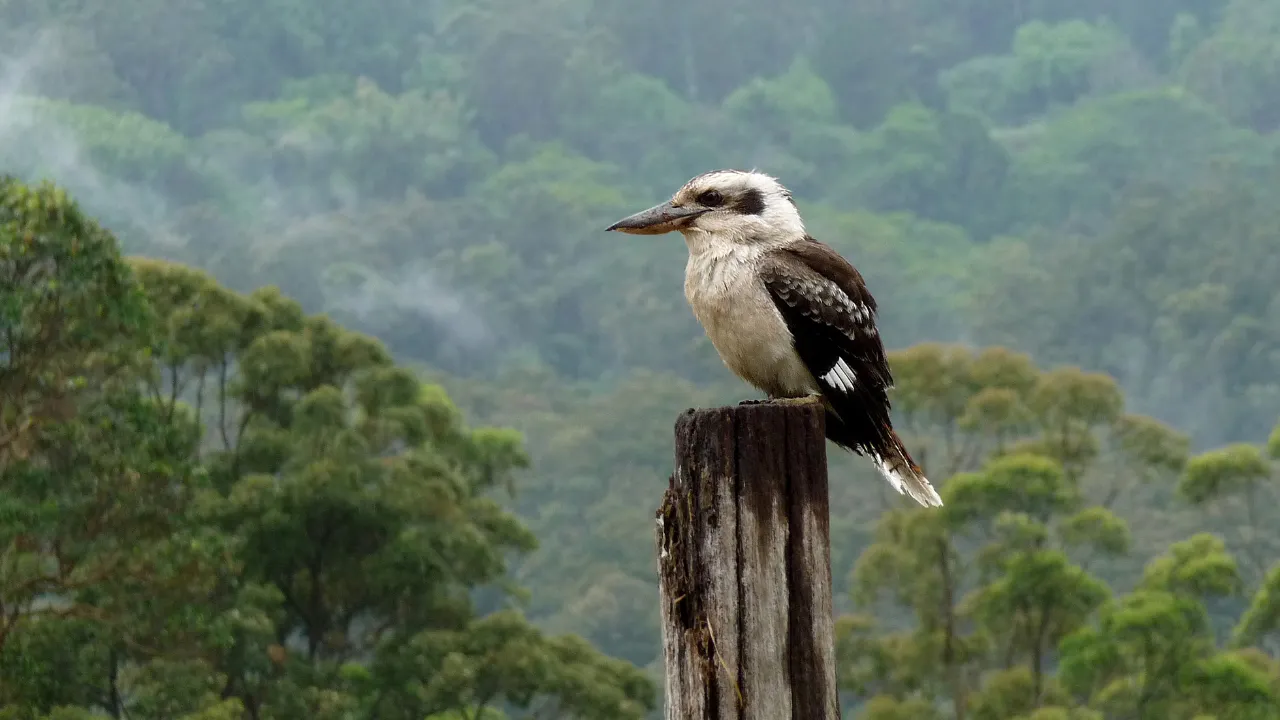
Luckily, the kookaburra is not currently considered endangered. However, its habitat is under constant threat from land development, deforestation, and climate change. That said, kookaburras are incredibly adaptable.
The kookaburra habitat includes woodlands, eucalyptus forests, and even suburban areas. They’ve adjusted well to life near humans, especially where there are tall trees and open spaces to hunt.
Even so, it’s important to protect their environments. Loss of nesting trees and food sources could eventually harm their population if we’re not careful.
Discover the Laughing Kookaburra at Bali Bird Park
You don’t need to fly all the way to Australia to meet a kookaburra. The Bali Bird Park in Indonesia offers a chance to see and hear this incredible bird up close. It’s one of the few places outside Australia where you can observe a kookaburra in a naturalistic setting.
At the park, you’ll find a beautifully designed habitat where kookaburras live comfortably alongside other native and exotic birds. The best part? You can actually hear that legendary laughing call echoing through the trees.
Visiting Bali Bird Park is not just fun, it’s educational. It’s a great place for kids, bird lovers, and curious travelers who want to learn about bird behavior, conservation, and the magic of wildlife.
The kookaburra bird is a true wonder of the animal kingdom. With its hearty laugh, hunting skills, and deep-rooted place in culture and legend, this bird is more than just another feathered friend. It represents the wild charm of Australia and the delicate balance of nature that we must continue to respect and protect.