If you’ve ever heard a bird dance to music or talk back in a funny voice, chances are it was a cockatoo. These charming and clever birds are impossible to ignore. With wild head feathers, endless energy, and surprising smarts, they’ve captured hearts around the world. But behind that funny personality is a bird with deep needs, strong instincts, and a complex nature.
Ready to dive in? Let’s explore their world together, and by the end of this article, you’ll see why cockatoos are as fascinating in behavior as they are in appearance.
Introduction – Say Hello to Cockatoo
Say hello to one of the most expressive, intelligent, and playful birds in the parrot family: the cockatoo. They don’t just chirp, they talk, laugh, dance, and even throw tantrums if they don’t get enough attention.
Cockatoos are known for the dramatic crest on their heads. It rises when they’re excited or curious, and drops when they’re calm or relaxed. It’s like a built-in mood signal. Combine that with their clownish antics and amazing ability to mimic sounds, and you’ve got a bird that feels like a cartoon come to life.
Many cockatoos are known to form strong social bonds and display intelligent, expressive behavior, traits that can be both endearing and demanding. However, due to their complex emotional needs and long lifespans, cockatoos are not suitable as typical pets. In fact, the demand for them in the pet trade has contributed to declining populations in the wild, making conservation awareness more important than ever.
General Overview of the Cockatoo

Cockatoos are native to Australia, parts of Indonesia, the Philippines, and nearby islands. If you’ve traveled around those areas, you might have seen them flying overhead in noisy flocks, especially around open woodlands or coastal areas.
There are about 21 different cockatoo species, and while they all share a few key traits, like a strong beak, zygodactyl feet (two toes forward, two back), and that signature crest, they can look and behave quite differently.
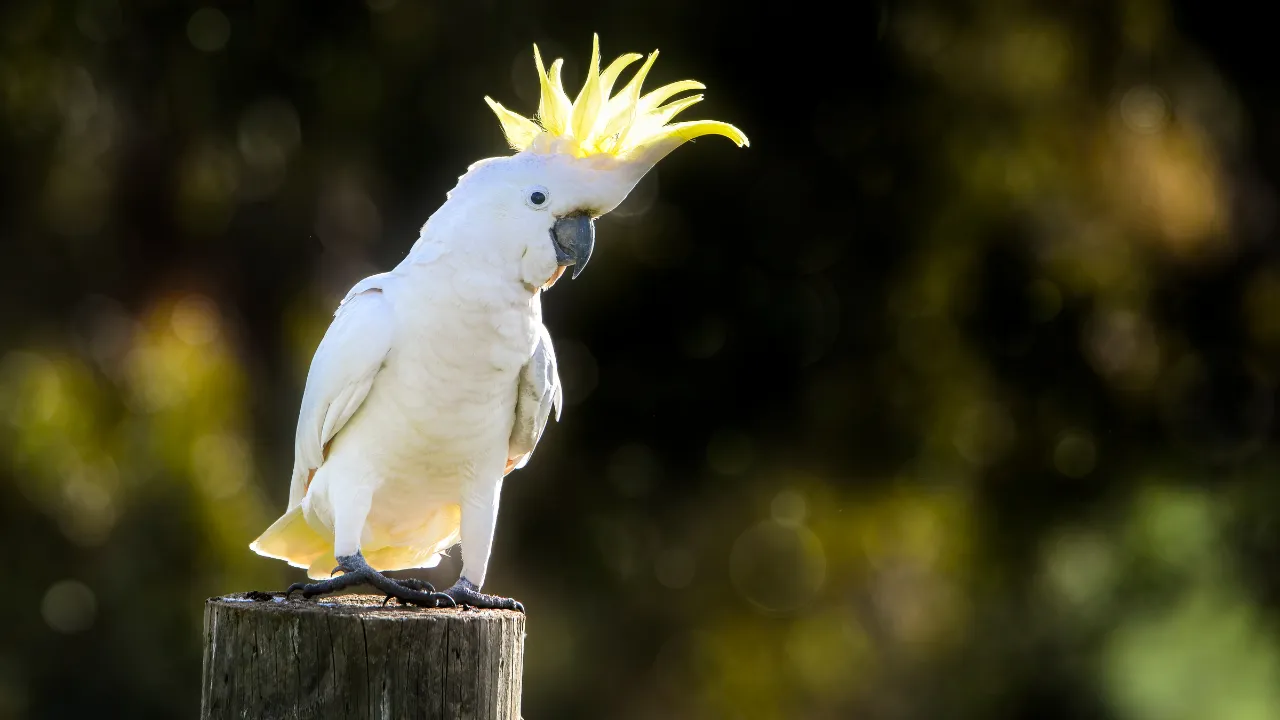
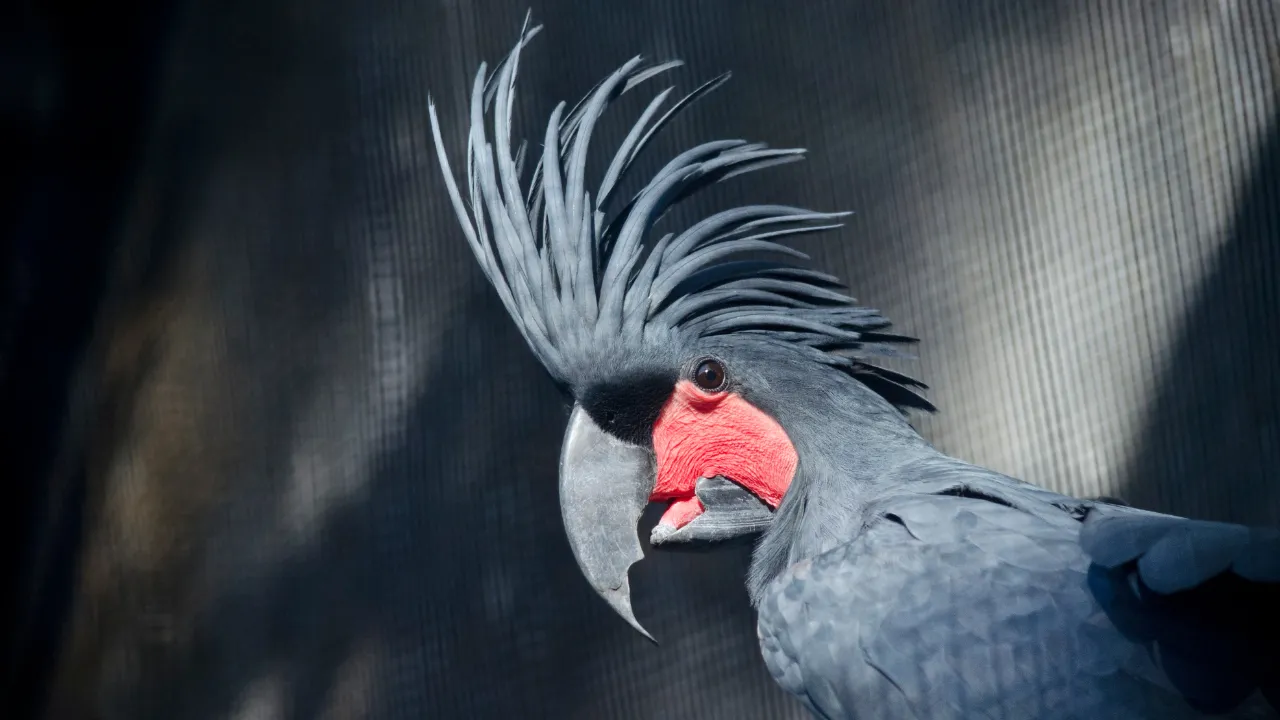
For example, the Sulphur-crested Cockatoo is known for its vivid yellow crest and playful antics, while the Black Palm Cockatoo has a striking dark plumage and is more solitary, often drumming on trees with sticks as a form of communication.
Physical Features and Unique Traits

Here are some fascinating things you should know about the amazing world of cockatoos.
Signature Crest
Let’s talk about that fabulous feather crown. The cockatoo’s crest is one of its most iconic features. When raised, it gives the bird a punk-rock look; when lowered, the bird seems calm or sleepy. Different species have different colored crests, from bright yellow in the sulphur crested cockatoo to bright scarlet in the Moluccan.
The crest isn’t just for show. It’s an emotional signal. A raised crest might mean curiosity, excitement, or even warning. It’s like their version of body language, and once you’ve seen it in action, you’ll know exactly what the cockatoo is feeling.
Beak and Claws
Don’t underestimate that beak, it’s a serious tool. Cockatoos use their strong, curved beaks to crack nuts, peel fruit, chew wood, and occasionally nibble on things they’re not supposed to (like furniture).
Their feet are just as impressive. Zygodactyl feet (two toes forward, two back) help them climb, grip, and even grip and manipulate objects with precision. They routinely use their feet to feed themselves and play with toys.
Intelligence and Social Nature
If you think dogs are smart, wait until you meet a cockatoo. These birds are highly intelligent and need constant stimulation. They can solve puzzles, unlock cages, recognize themselves in mirrors, and learn tricks.
They also mimic speech and sounds incredibly well. Some will learn dozens of words and use them in context. One cockatoo might shout your name, laugh like your grandma, and imitate your ringtone, all before breakfast.
But with great smarts come great social needs. Cockatoos crave attention. If they don’t get enough, they might scream, pluck their feathers, or act out. They bond closely with their flock, and they need that connection to stay healthy and happy.
Common Types of Cockatoos
There are many types of cockatoos, but let’s meet a few of the most popular and unique ones:
Sulphur-crested Cockatoo
This classic beauty is mostly white with a bright yellow crest. It’s large, noisy, and full of personality. You’ll often see them in zoos or wildlife parks, and they’re known for their strong opinions and love of attention.
Moluccan Cockatoo
Also known as the Salmon-crested Cockatoo, this bird has a soft pink body and a peachy crest. It’s incredibly affectionate but very sensitive. Moluccans are known for their dramatic screams and deep emotional bonds with humans.
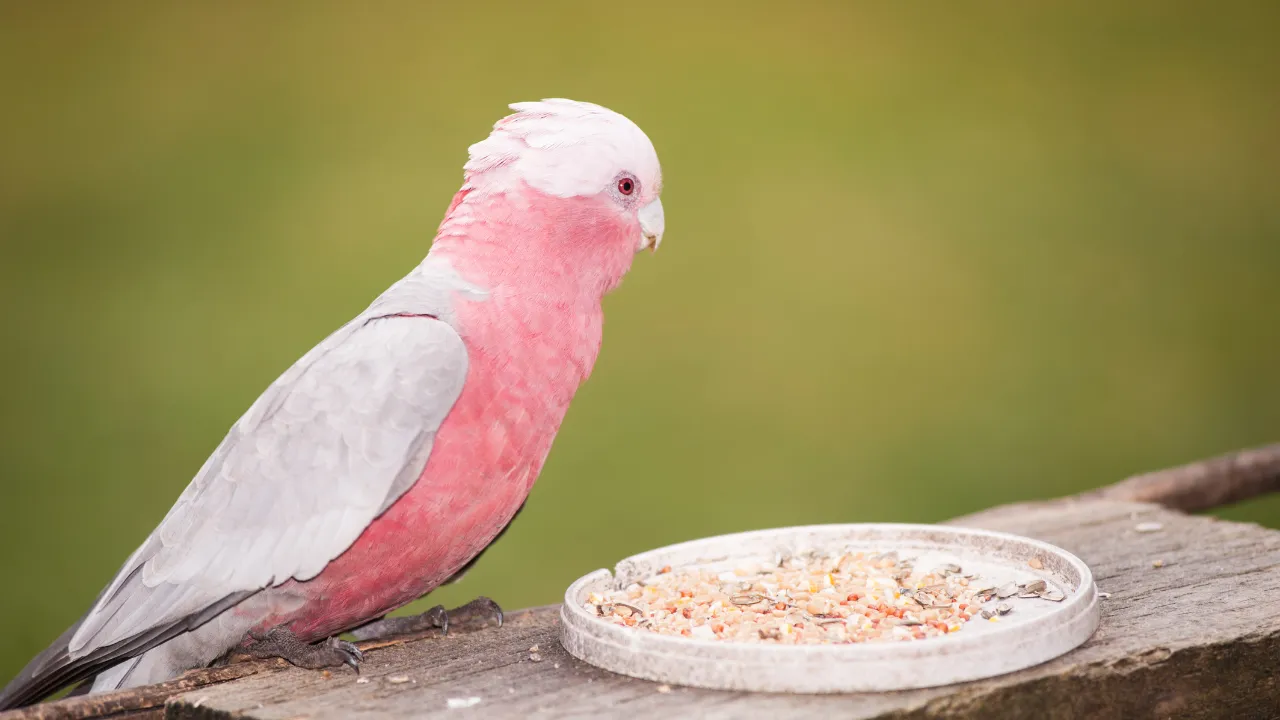
Galah (Rose-breasted Cockatoo)
This playful bird has a pink chest and grey wings, making it one of the most colorful cockatoos. Galahs are extremely sociable, both with other birds and people. In the wild, they fly in large, chatty flocks across the Australian sky.
Palm Cockatoo
With black feathers, red cheeks, and a massive beak, the Palm Cockatoo looks like a rock star. It’s one of the rarest and most unusual species. Known for its deep drumming sounds and tool-using skills, the Palm is both mysterious and magnificent.
Fun Facts About Cockatoos
Think you know everything about cockatoos? Think again. These birds are full of surprises.
- Long Life: Some cockatoos live up to 100 years in captivity, especially with good care. That’s a lifetime commitment!
- Dancing Kings and Queens: Cockatoos can feel rhythm and dance to music. They bob their heads, tap their feet, and really get into the groove.
- Escape Artists: Many cockatoos learn how to open latches, slide bolts, or even untie knots.
- Tool Use: Some cockatoos use sticks to tap on surfaces and make noise. Scientists believe this might be a form of communication or just for fun.
- Feather Plucking: If lonely or bored, some cockatoos pluck their own feathers. This is a serious sign of stress and needs attention.
- Incredible Memory: Cockatoos remember faces, sounds, and routines. Miss a snack time once, and they’ll remind you.
Conservation Status and Challenges
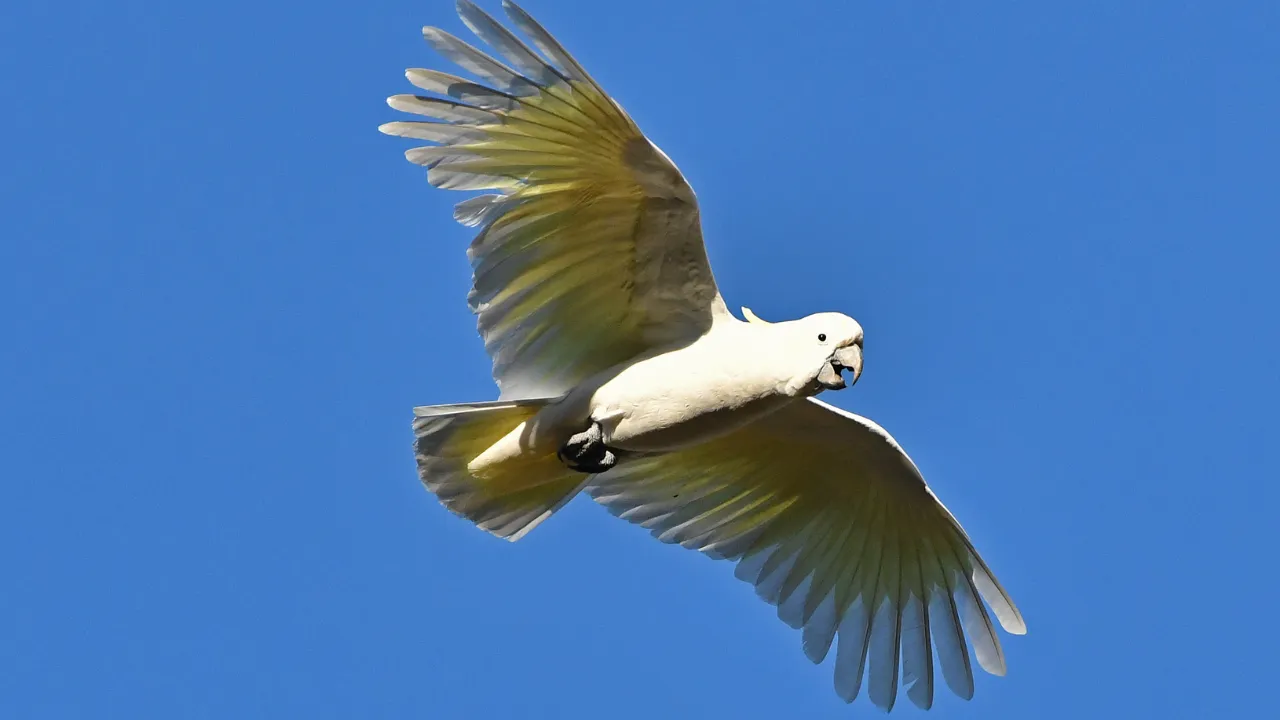
Not all is fun and games in the cockatoo world. Some species are in serious danger.
Take the Yellow-crested Cockatoo, for example. Once common in parts of Indonesia, this species is now critically endangered due to habitat loss and illegal pet trade. Wild populations are shrinking fast, and without help, they will disappear forever.
Many cockatoos face similar threats. Forests are being cleared for farming, and the demand for exotic pets continues to grow. Sadly, many birds are taken from the wild and sold illegally.
Here’s how we can help:
- Support ethical bird sanctuaries and rescue organizations.
- Never buy birds from unknown or illegal sources.
- Educate others about the needs and rights of wild animals.
- Help protect natural habitats by supporting conservation groups.
These birds bring so much joy, it’s only fair we help keep them safe in return.
See Colorful Cockatoos and More at Bali Bird Park

Want to meet a cockatoo up close? Head to Bali Bird Park. This beautiful conservation zoo is home to many exotic birds, including several cockatoo species. You’ll see the sulphur-crested cockatoo, the white cockatoo, and even some rare species like the Moluccan and Palm.
Watch cockatoos dance, mimic, and play. Some might even perch on your shoulder if they like you. It’s a perfect place for families, bird lovers, and curious travelers.
You’ll also learn about our conservation efforts. The park is involved in breeding programs and education campaigns to help protect endangered birds. So your visit isn’t just fun, it’s also meaningful.
So next time you hear a loud squawk or see a feathery dancer online, you’ll know: it’s probably a cockatoo, living its colorful, unforgettable life.