If there’s one bird that can steal the show with its vivid appearance and elegance, it’s the Scarlet Ibises. With their vibrant crimson feathers, elegant posture, and graceful movements, this bird looks like it came straight out of a dream. Often seen in coastal areas and wetlands, the Scarlet Ibis is one of the most eye-catching birds on the planet. They’re not just visual marvels, they also play a vital role in maintaining balance within their ecosystems.
Want to see one up close? You can find them at the Bali Bird Park, where these striking birds thrive within a rich, diverse habitat.
General Information About the Scarlet Ibis

The Scarlet Ibis, scientifically known as Eudocimus ruber, originally comes from the tropical and subtropical regions of northern South America and the Caribbean. You’ll often find these birds wading through wetlands, mangrove swamps, and coastal lagoons, where food is plentiful and the water is shallow. These areas provide the perfect conditions for the Scarlet Ibis to thrive.
Their habitat is not just a place to live, it shapes how they feed, interact, and raise their young. The Scarlet Ibis thrives in ecosystems such as mudflats, estuaries, and mangroves, areas with a balanced mix of water, vegetation, and shelter.
These areas offer the right mix of water, shelter, and food. The presence of dense vegetation and accessible mudflats makes it easier for these birds to dig around and find tasty aquatic critters.
Unique Features and Appearance
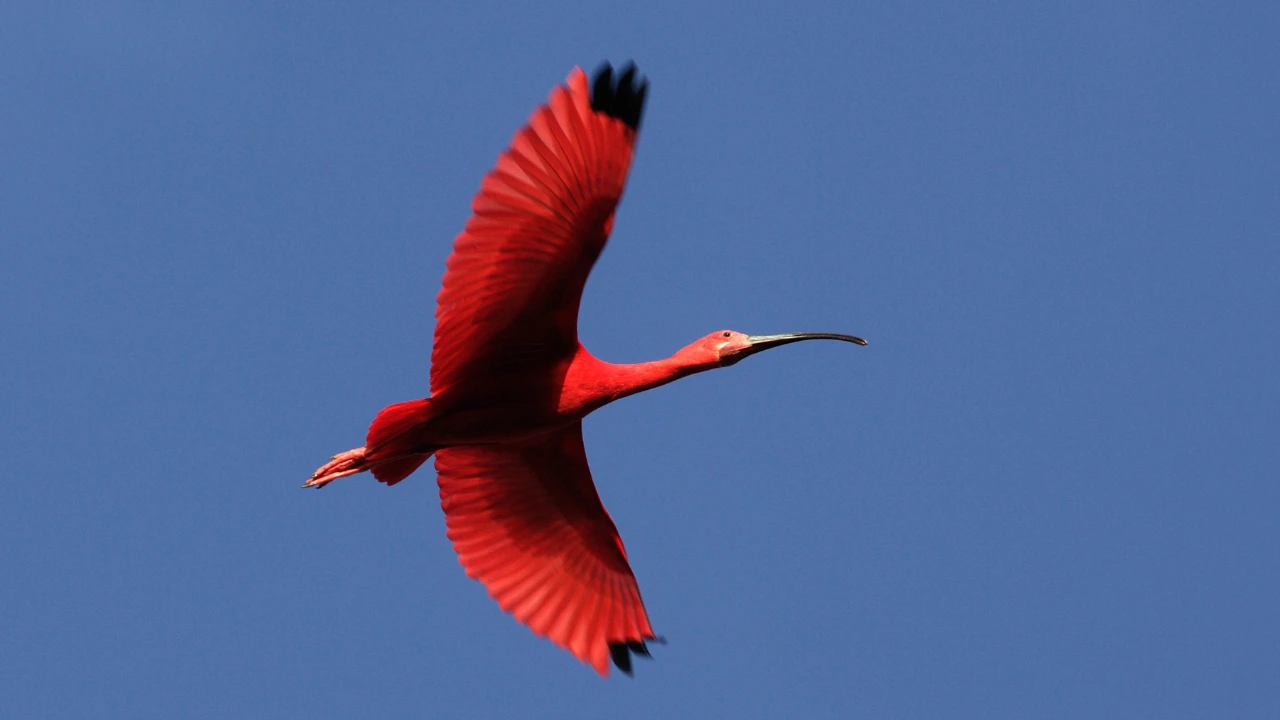
One of the most breathtaking things about the Scarlet Ibis is its bright scarlet red feathers. But what many people don’t know is that Scarlet Ibises aren’t born scarlet.
When Scarlet Ibis chicks hatch, they are usually a dull gray or white. As they grow and begin feeding on shrimp and crustaceans, their feathers gradually turn a deep, rich red. This is due to carotenoids, natural pigments found in their food. So, in a way, they are what they eat.
Alongside their vibrant color, these birds also have a long, curved beak that points downward. This beak is perfect for poking into mud and sand to catch food. Their long legs help them wade through shallow waters with ease.
On average, the Scarlet Ibis has a wingspan of around 52 to 56 centimeters (20 to 22 inches) and weighs about 1 to 1.5 kilograms. They are medium-sized birds, but their bold color makes them stand out like royalty among the greens and browns of the wetlands.
Interesting Facts About the Scarlet Ibis

There’s more to this bird than just beauty. The Scarlet Ibis is the national bird of Trinidad and Tobago, where it’s deeply respected and often associated with strength and resilience. You can find it featured on emblems, government materials, and even national celebrations.
These birds are very social. They live in large colonies, often numbering in the hundreds or even thousands. They’re rarely seen alone and prefer the company of their kind. Group feeding is a common sight, flocks of Scarlet Ibises moving through shallow water together, their beaks probing the mud for food in perfect harmony. It’s almost like a choreographed dance.
Another fascinating point: when they fly, they often do so in V-shaped formations, much like geese. This helps reduce air resistance and saves energy for the birds flying behind the leader. It’s teamwork in the skies!
Diet and Behavior
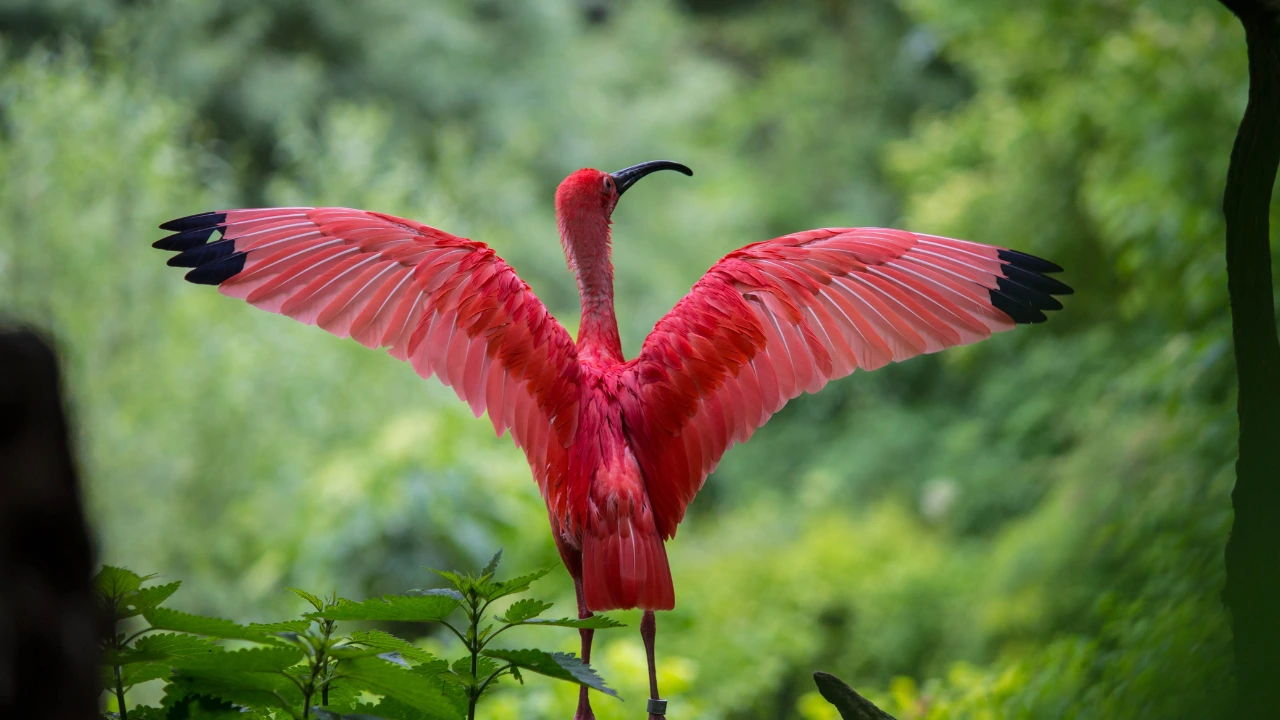
So, what do these stunning birds eat? The Scarlet Ibis diet mainly includes shrimp, small fish, aquatic insects, and other invertebrates found in mud and shallow water. Their love for shrimp is especially important; it’s the high carotenoid content in shrimp that gives their feathers that glowing red hue.
Scarlet Ibises are generally diurnal birds, meaning they’re most active during daylight hours. Mornings and late afternoons are their preferred times to forage. When not feeding, they can often be seen gathering in trees to rest or groom their feathers.
Flying plays a key role in their daily routine. These birds regularly commute between nesting and feeding areas, sometimes covering several kilometers in a single day. Their flights are elegant and smooth, with rhythmic wingbeats that glide quietly through the sky.
Breeding and Lifespan
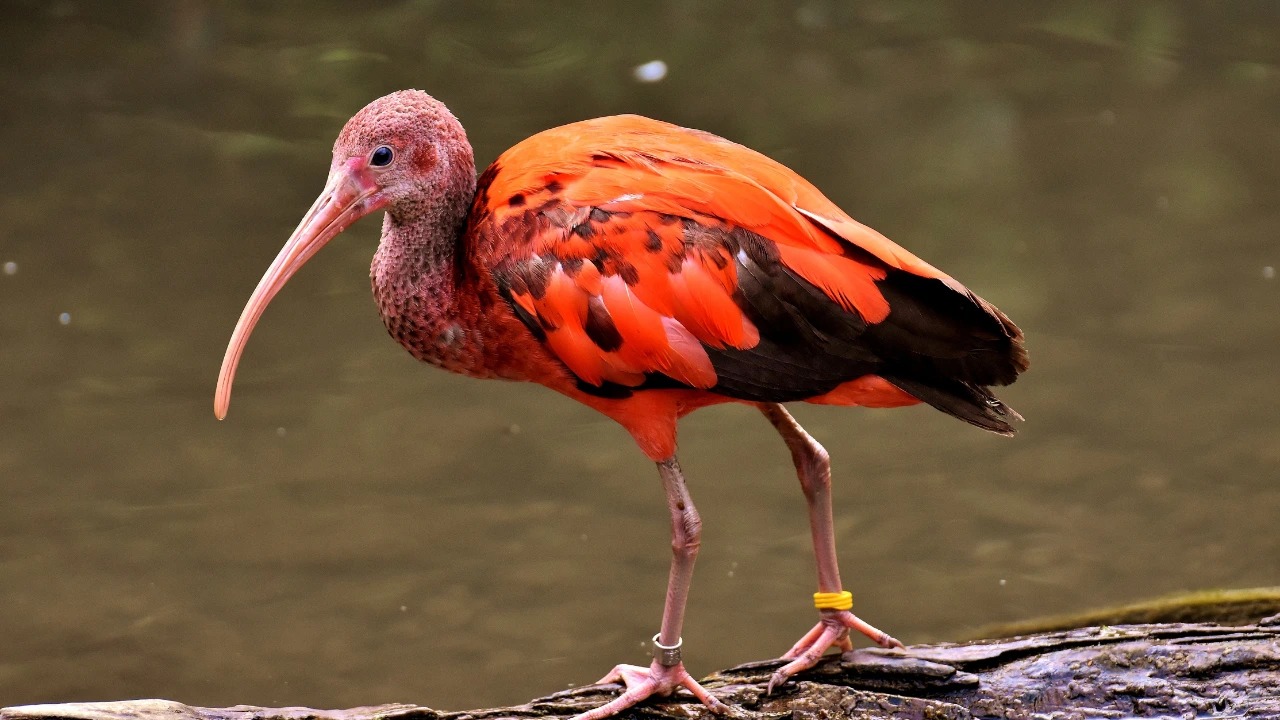
Breeding season for the Scarlet Ibis usually coincides with the rainy season when food is most abundant. They build nests in trees or shrubs, preferably over water. This location offers better protection from predators like snakes and raccoons.
Both the male and female take part in raising the chicks. After the eggs are laid, both parents help with incubation, which takes about 20 to 23 days. Once hatched, the chicks are fed regurgitated food by their parents until they are old enough to find food on their own.
In the wild, Scarlet Ibises can live up to 15 years, although the average lifespan is often lower due to predators and environmental challenges. In captivity, such as in bird parks or zoos, they can live longer, sometimes up to 20 years, thanks to stable food sources and a lack of threats.
Conservation Status
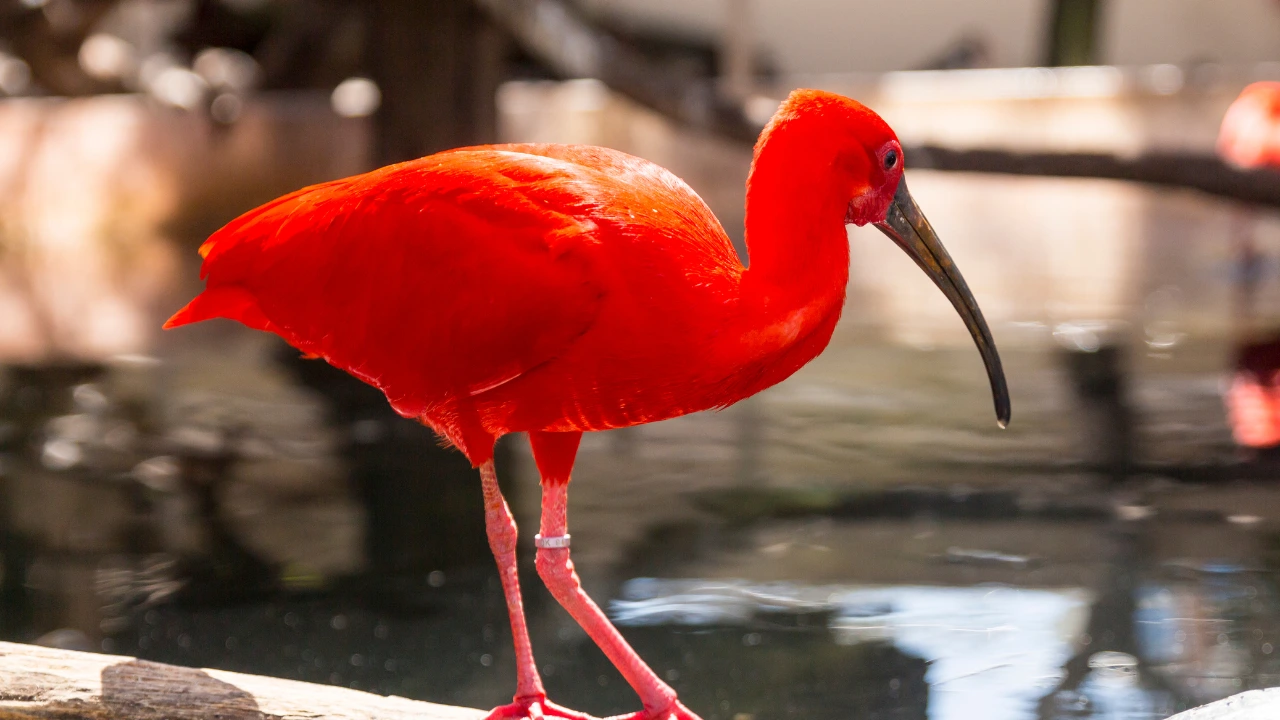
Currently, the Scarlet Ibis is not considered endangered, which is great news. However, their natural habitats are under threat due to pollution, deforestation, and human encroachment. Urban development has reduced the number of safe places for these birds to feed and breed.
In many countries, the Scarlet Ibis is a protected species, and killing or capturing them is illegal. Their role in the ecosystem is significant; they help control the population of aquatic insects and small invertebrates, keeping the wetland environment balanced.
Conservation efforts focus on protecting their wetland homes and raising awareness among locals and tourists. Educational programs in bird parks and schools often feature the Scarlet Ibis as a way to inspire care for biodiversity. It’s not just about saving one bird; it’s about preserving entire ecosystems.
See the Scarlet Ibis at Bali Bird Park
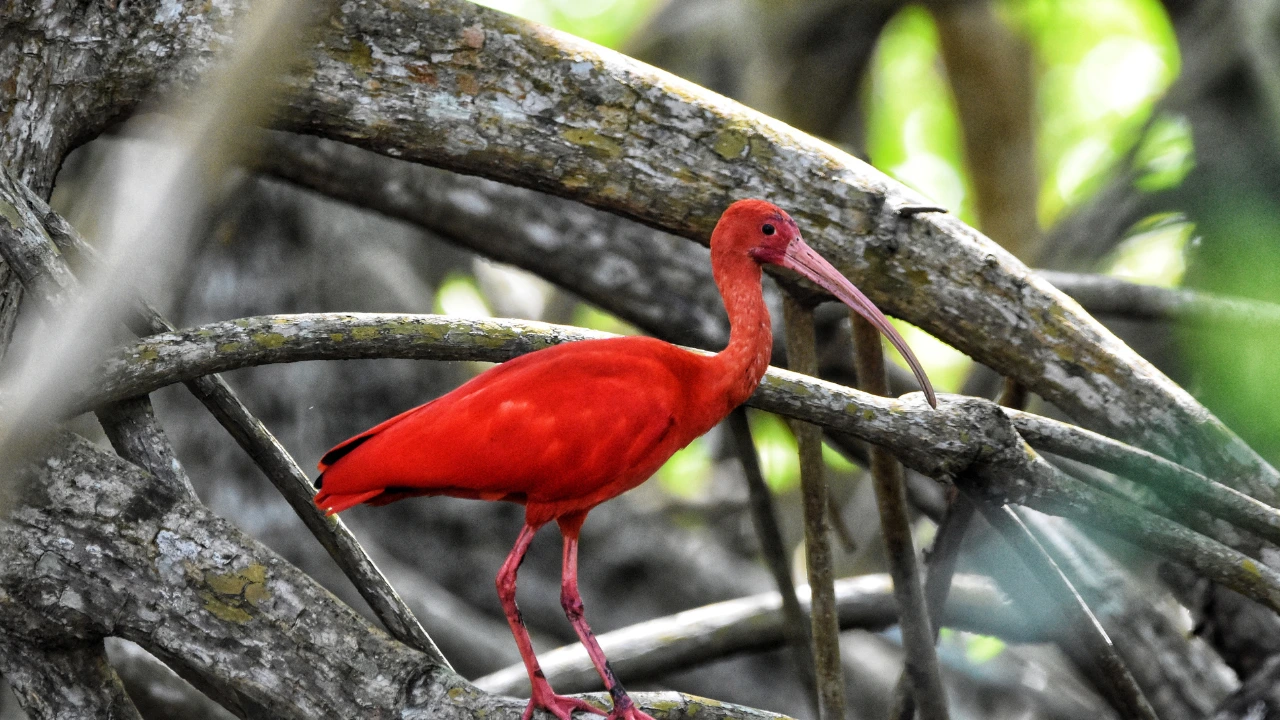
If you’re in Bali and curious about exotic wildlife, don’t miss the chance to see the Scarlet Ibis up close at Bali Bird Park. It’s one of the few places in Southeast Asia where you can experience these birds in a naturalistic, open-air setting.
The park is a place where you can learn more about birds, their natural behaviors, habitats, and how we can help protect them. Visitors can join guided tours, attend wildlife talks, or observe feeding times led by knowledgeable staff.
Staff at Bali Bird Park also provide educational sessions about the birds’ diet, behavior, and conservation. It’s a fun and family-friendly destination where learning becomes part of the experience.
The Scarlet Ibis is much more than just a pretty bird. It’s a symbol of resilience, community, and ecological balance. From the wetlands of South America to the educational walkways of Bali Bird Park, it continues to inspire awe and respect from those lucky enough to see it.
Whether you’re a bird lover, a traveler, or someone who simply enjoys learning about nature, the story of this bright red bird will stick with you. So the next time you see a glimpse of red flashing across a tropical landscape, remember, you might just be looking at a Scarlet Ibis.