Maleo Sulawesi: A Unique Nesting Behavior
The Maleo Sulawesi is a rare bird from Indonesia. It lives only on the island of Sulawesi. This bird is known for its unusual nesting behavior.
What Makes the Maleo Sulawesi Unique?
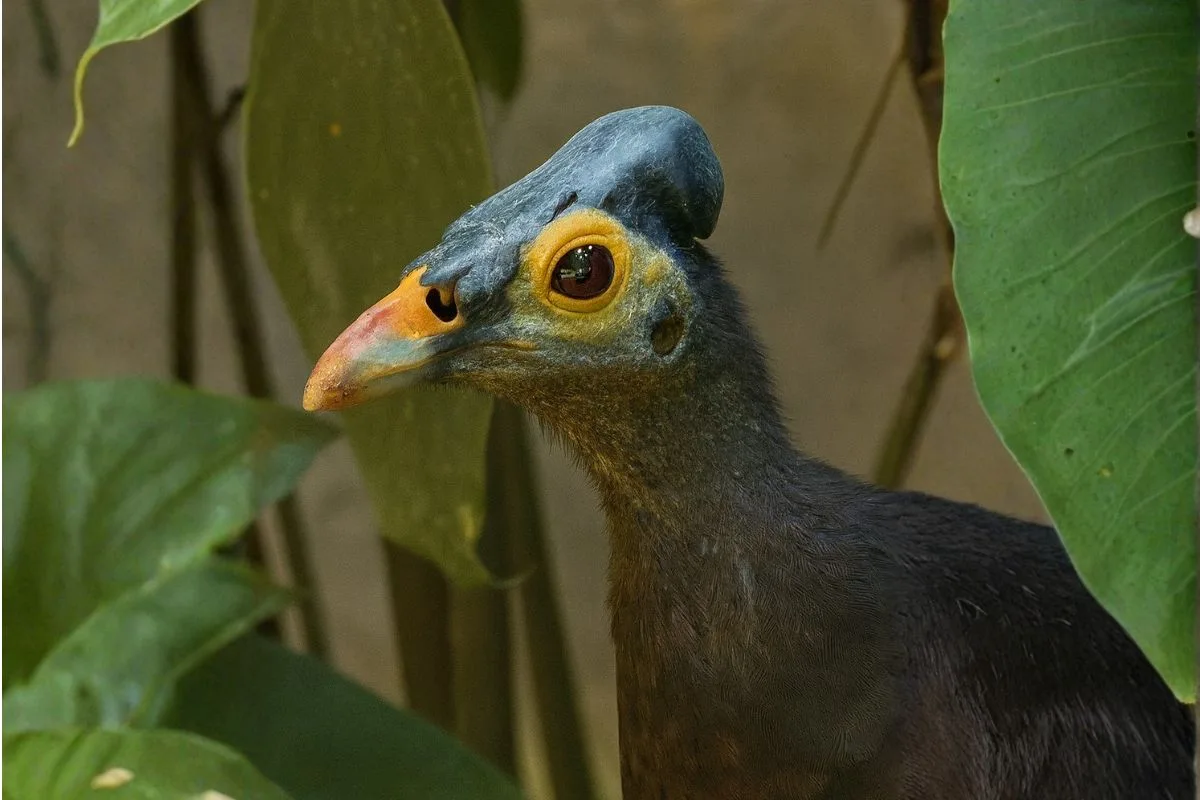
The Maleo Sulawesi has a life cycle unlike most birds. It does not sit on its eggs to keep them warm. Instead, it relies on natural heat from the sun, warm sand, or volcanic soil.
Each year, adult Maleos return to the same nesting site. They dig a deep hole, lay one large egg, and then leave it buried in the ground. After that, the parents do not return.
Because of this behavior, the Maleo Sulawesi depends on safe and quiet nesting areas to survive.
Why the Maleo Sulawesi Is Threatened
Today, the Maleo Sulawesi faces many challenges. Habitat loss, egg poaching, and human activity continue to reduce its numbers. Because of these problems, people rarely see this bird in the wild. The species now needs strong protection to survive.
Conservation at Bali Bird Park
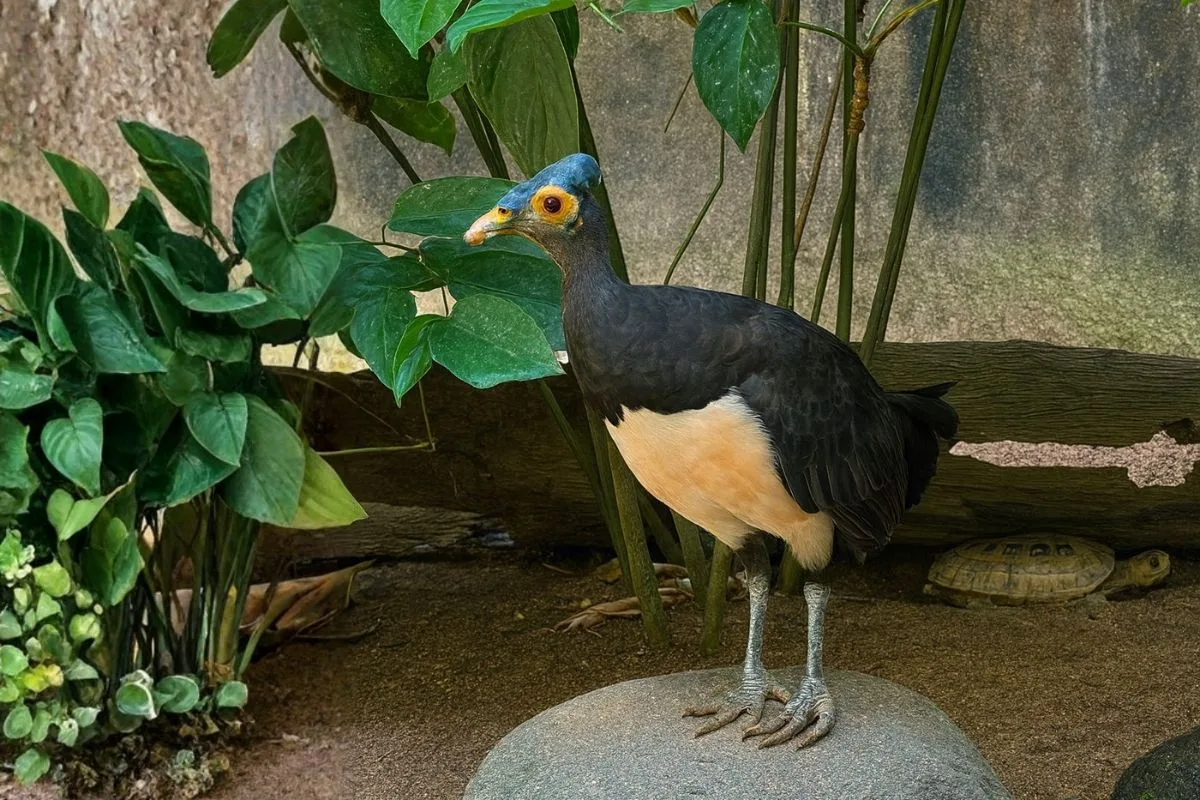
At Bali Bird Park, the team supports endangered birds like the Maleo Sulawesi through the Fighting Extinction program. The park raises awareness, teaches visitors, and promotes long-term conservation.
In addition, the park works with trusted partners to protect Indonesia’s rare species. You can also check the global conservation status of the Maleo through the IUCN Red List.
Education and Visitor Awareness
The Maleo Sulawesi also plays an important role in the park’s education programs. During your visit, you can learn about its unique behavior, its habitat, and the challenges it faces.
Moreover, interactive displays and guided information help visitors understand why this species matters.
See This Rare Bird Up Close
You can see the Maleo Sulawesi up close at Bali Bird Park and discover its unique story. When you learn about this bird, you also support ongoing efforts to protect it.
In the end, every visitor helps preserve Indonesia’s biodiversity.
Visit Bali Bird Park and join the Fighting Extinction mission to protect the Maleo Sulawesi.