Oriental Darter Bali Bird Park: The Iconic Snake Bird
The Oriental Darter Bali Bird Park is one of the most unique birds visitors encounter in the park. Known as the Snake Bird, this species is famous for its long, slender neck that moves gracefully above the water, resembling a swimming serpent. This distinctive look makes the Oriental Darter one of the most captivating aquatic birds in Southeast Asia.
A Skilled Diver and Precise Hunter
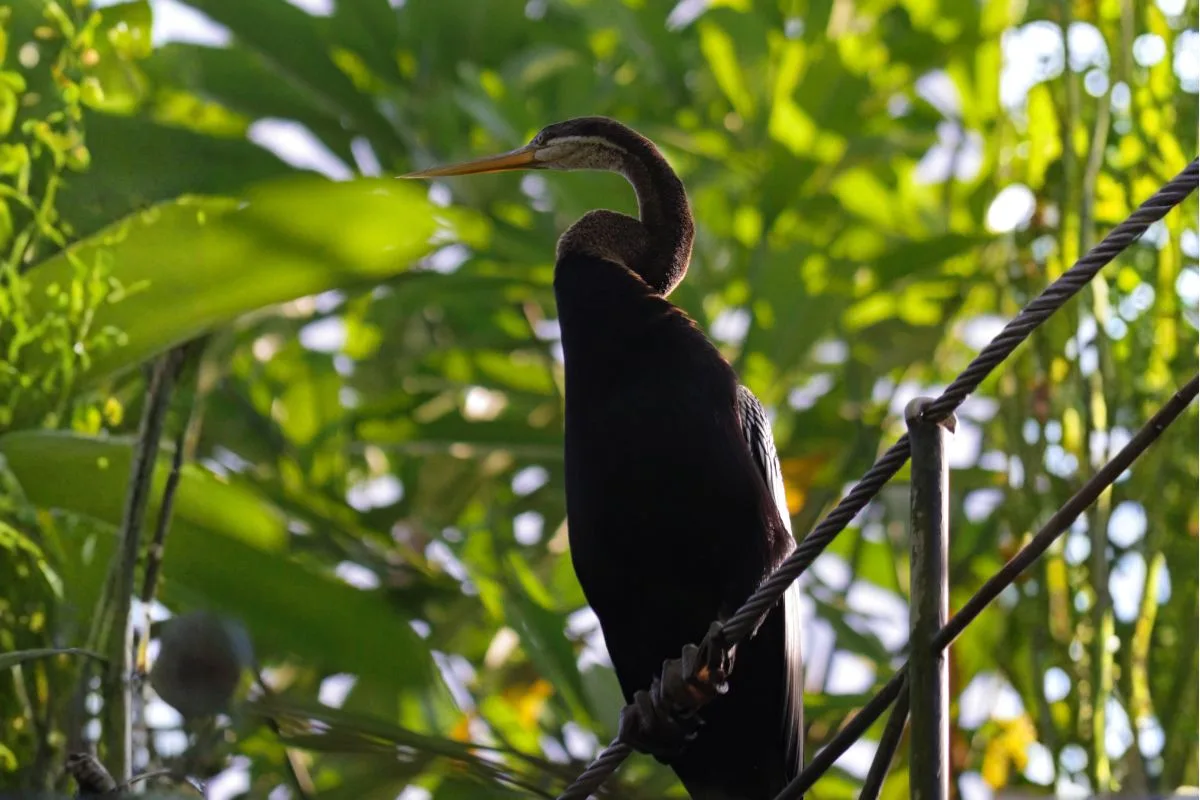
When gliding through the ponds, the Oriental Darter appears calm but underwater, it becomes a powerful and agile hunter. Using its sharp beak like a spear, the bird dives swiftly to catch fish with remarkable accuracy. This hunting style is one of the many reasons the Snake Bird fascinates both bird lovers and photographers.
The Iconic Sun-Drying Pose
After diving, the Oriental Darter spreads its wings widely to dry under the warm sunlight. This natural behavior is essential because its feathers are less waterproof than other waterbirds. The sight of the bird perched with open wings is not only beautiful, but also a perfect moment that visitors often capture during their trip to Bali Bird Park.
Supporting Conservation at Bali Bird Park
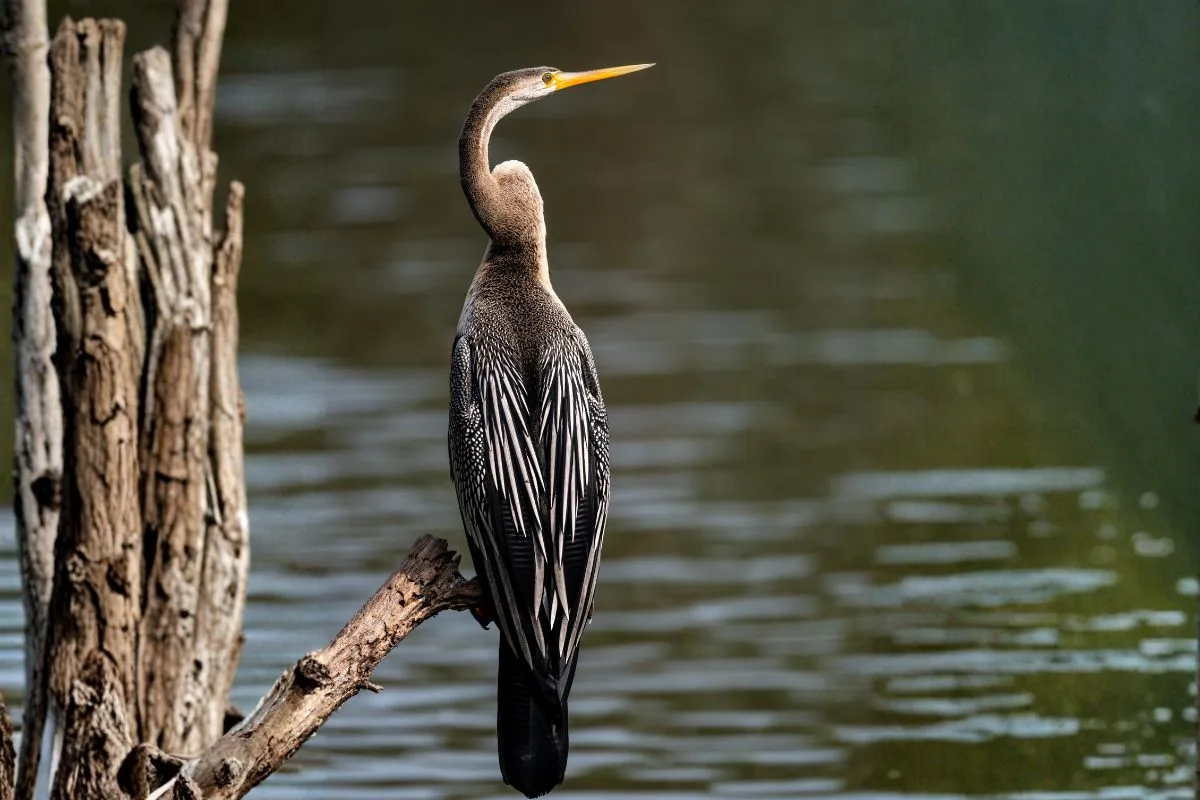
The Oriental Darter plays an important role in aquatic ecosystems, which is why its protection is essential. Through the Fighting Extinction program, Bali Bird Park continues its efforts to conserve native and regional bird species. Every visitor who comes to the park helps support these ongoing conservation programs.
For more details about the Oriental Darter’s global status, you can visit reliable sources such as the IUCN Red List. You can also learn more about the park’s conservation work through the Bali Bird Park Conservation Page.
Visit and Discover the Oriental Darter
A visit to Bali Bird Park offers a rare chance to observe the Oriental Darter up close from its snake-like movement to its impressive diving skills. The Oriental Darter Bali Bird Park experience is not only visually stunning but also a reflection of Indonesia’s extraordinary biodiversity.